Every child learns in their own way. Yet for many families, the traditional school model with larger classes, fast-paced lessons, and a one-size-fits-all curriculum doesn’t always allow every pupil to thrive.
Children who learn differently are often bright, creative and full of potential, but they may struggle to keep up in busy classrooms or feel discouraged if their learning style isn’t fully supported. For parents, this can be difficult to navigate, particularly when they know their child is capable, but something about the current school environment simply isn’t working. Increasingly, parents are recognising the importance of finding a school environment that understands and nurtures different learning styles. The right setting can make a big difference in childrens’ well-being leading to improved holistic outcomes.
Here’s what you should consider:
Why the school environment matters
A supportive and nurturing school environment is about far more than traditional academic outcomes. For children who learn differently, feeling understood and supported is often the key to unlocking their confidence.
When pupils feel safe, valued and encouraged, they are far more likely to take risks in their learning, ask questions and persevere through challenges. A school culture that prioritises pastoral care and wellbeing can help children rebuild self-belief, especially if they have previously struggled in a more traditional setting.
For many parents, this supportive culture is one of the most important factors to look for when considering a new school environment.
The impact of smaller class sizes
One of the most significant ways schools can support children who learn differently is through smaller class sizes.
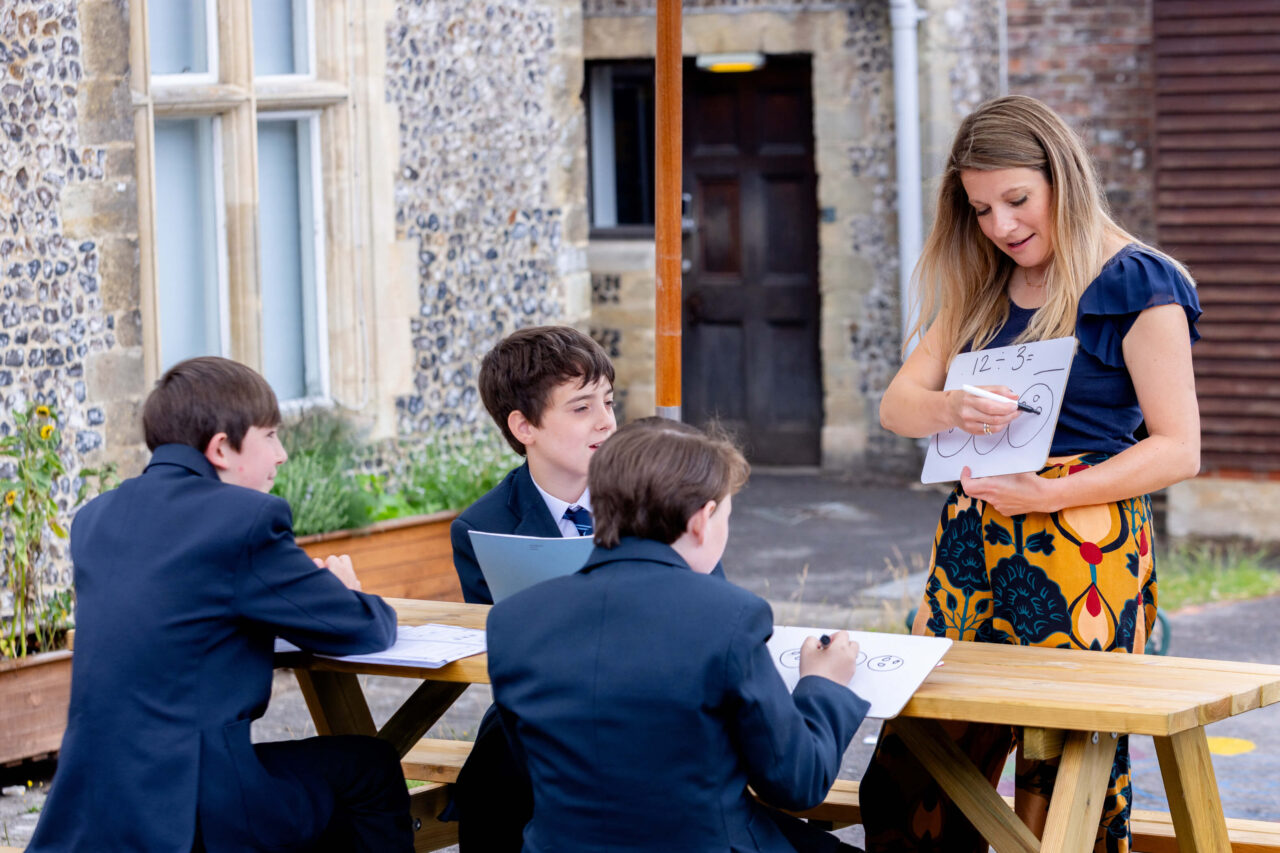
In a smaller classroom environment, teachers have the time and space to truly understand each pupil as an individual. They can quickly identify strengths, recognise areas where extra support may be needed, and adjust their teaching approach accordingly, offering appropriate scaffolding when needed.
This level of attention allows pupils to progress at a pace that suits them, rather than feeling pressured to keep up with the rest of the class. Over time, this can have a powerful effect on both attainment and confidence. Slindon College is a school for boys who find mainstream education overwhelming. The College is known for its highly individualised approach to education; this philosophy underpins every aspect of school life.
“We offer an accessible National Curriculum. Our pupils are taught in class sizes no larger than 10 to allow each pupil the chance to achieve to the best of their ability. Each pupil is treated as an individual with access to a range of support, enrichment activities and guidance to help them achieve their potential throughout their Key Stage 3 and Ket Stage 4 education.” – Mrs T. Miles, Assistant Head of Curriculum & Staffing
Specialist support makes a real difference
For children with specific learning differences, access to specialist support within the school can be transformative.
Integrated support from trained professionals (such as specialist dyslexia teachers or in-house therapists) can help pupils develop strategies to overcome challenges and build essential learning skills. When this support is embedded within the school day, it becomes part of a child’s overall educational experience rather than something separate or additional.
Importantly, specialist support also helps children understand their own learning style and strengths, empowering them to approach education with greater confidence.
Learning beyond the classroom
While academic support is crucial, a well-rounded school experience also includes opportunities for pupils to explore their interests beyond the classroom.
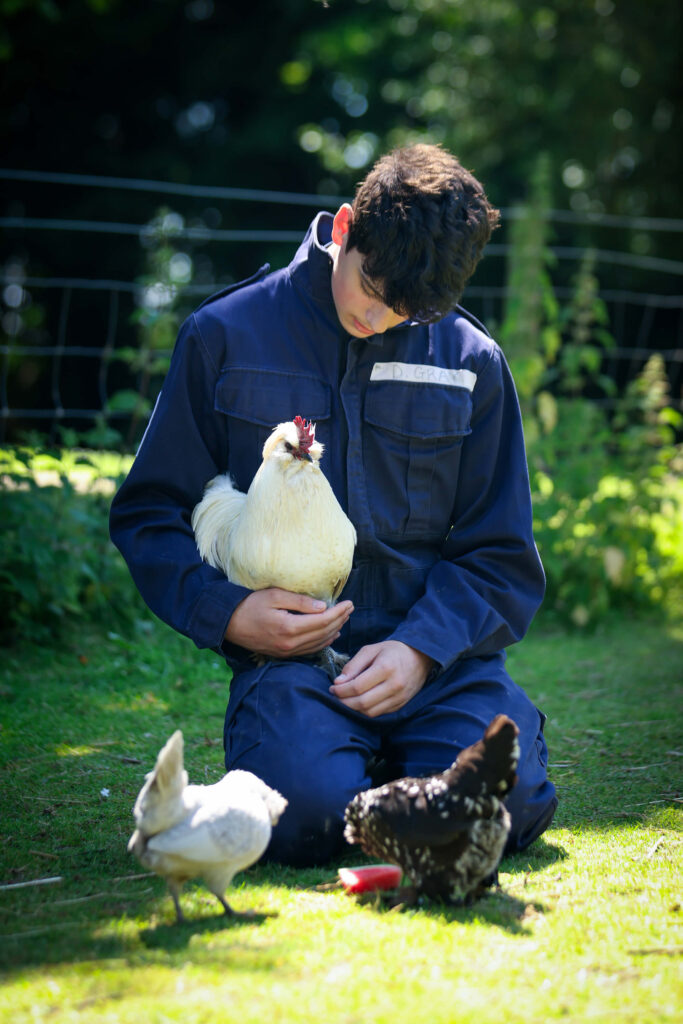
A broad enrichment programme, whether through sport, creative arts, outdoor activities or clubs – allows children to discover new passions and develop important life skills such as teamwork, resilience and independence.
For children who may have struggled academically, these activities can be particularly valuable. They offer opportunities to succeed, build friendships and rediscover the enjoyment of school life.
“Our enrichment activities offer opportunities for self-exploration and a safe environment for calculated risk-taking. These activities enhance physical and emotional wellbeing, stamina, coordination, team building, initiative, creativity, self-expression, focus and curiosity.” – Mr Dickinson, Head of Physical Education

A more flexible approach to education
For some families, flexibility within the school structure can also play an important role. Options such as part-time, flexi or weekly boarding can help pupils gradually build independence while maintaining a strong connection with home.
This kind of flexibility allows families to find an arrangement that supports both the child’s educational needs and their overall wellbeing.
Helping children rediscover their confidence
When children who learn differently are placed in an environment that truly understands their needs, the results can be remarkable. With the right combination of support, encouragement and adapted learning, pupils often begin to rediscover their curiosity, motivation and confidence.
For parents searching for the right educational environment, the key is finding a school where children are seen not as problems to be solved, but as individuals with unique strengths and potential.
In the right setting, children who learn differently are not just supported, they are given the opportunity to flourish.
This is a sponsored post created in collaboration with Slindon College, an independent day and boarding school for boys aged 8 – 18 in the South Downs National Park.
Read more school news here.
You may also like...