There’s a moment on almost every school tour when a parent asks the question they’ve really come to ask: “But what will my child actually do all day?”
It’s a good question. Because when you’re choosing an Early Years setting, it can be surprisingly difficult to look past the impressive facilities and carefully prepared displays and work out what your child’s everyday experience will really be like.
Will they be encouraged to do things for themselves? Will they spend enough time outside? Will adults really listen to them? Will they be challenged without being pushed too hard? And, perhaps most importantly, will they be happy?
The best Early Years education gets these things working together. It gives children the foundations for learning while recognising that, at three, four and five, they are still learning how to be part of a community, manage their emotions, make friends, communicate their ideas and discover what makes them curious.
So, if you’re visiting schools or comparing Early Years settings, here are eight things worth looking beyond the prospectus for.
1. Look for an environment that builds independence
At this age, seemingly small achievements are actually rather big ones.
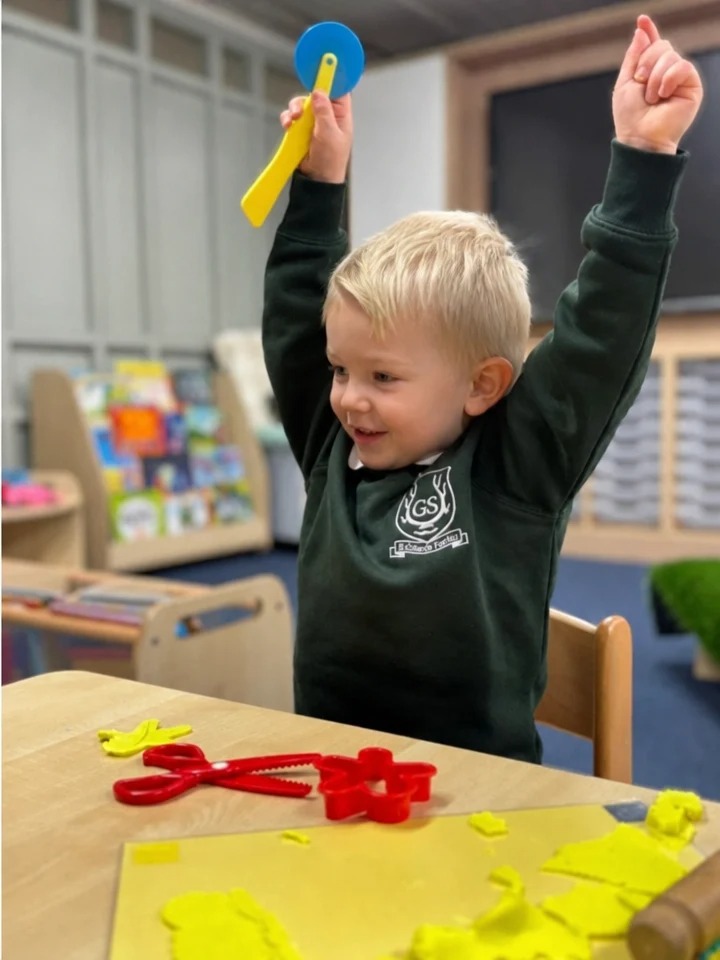
Putting on their own coat. Choosing an activity. Pouring a drink. Tidying something away. Preparing a snack. Eating with their friends at lunchtime. These are all important learning experiences for children.
A good Early Years setting should give children opportunities to do things for themselves, with adults close enough to support them but not so quick to step in that children never get the chance to work something out independently.
When you visit, look at the room from a child’s perspective. Can they reach the resources they need? Are they encouraged to make choices? Do adults celebrate effort as well as outcomes? Are children trusted with age-appropriate responsibilities?
These everyday routines can quietly build confidence, self-reliance and a sense of belonging.
For some families, the Early Years experience is also about finding a school where children can grow and develop over time. Grange School, with its new Pre School, now offers an all-through education from age three to 18, while bringing the same emphasis on curiosity, independence and the development of the whole child to its youngest pupils. Its Early Years provision combines everyday opportunities to build confidence with specialist teaching, enrichment and access to the wider school environment.
“We want our youngest children to leave each day feeling a little more capable than when they arrived. Every coat fastened, decision made and challenge overcome helps them develop the confidence to say, ‘I can do it myself.’ Those moments may seem small, but they lay the foundations for a lifetime of learning.” says Mr Tagg, Head of The Grange Junior School.
2. Find out what “learning through play” actually means
“Learning through play” is something you will hear frequently when looking at Early Years provision. But it is worth asking what that actually looks like.
Play shouldn’t mean leaving children to occupy themselves while adults get on with other things. High-quality play can involve careful observation, thoughtful questioning, new vocabulary, problem-solving and adults knowing when to join in and when to stand back.
There should also be a balance. Children need opportunities to follow their own interests, but they also benefit from adults introducing new ideas and experiences that take their learning somewhere unexpected.
Look for a setting where a child building a tower might be encouraged to think about balance; where a story can lead to a conversation about unfamiliar words; where painting can become an opportunity to explore colour, artists or the wider world.
The aim isn’t to make Early Years more formal. It is to make children’s natural curiosity work harder.
3. Listen to how much children are encouraged to talk
One of the easiest things to overlook on a school visit is conversation. Listen carefully.
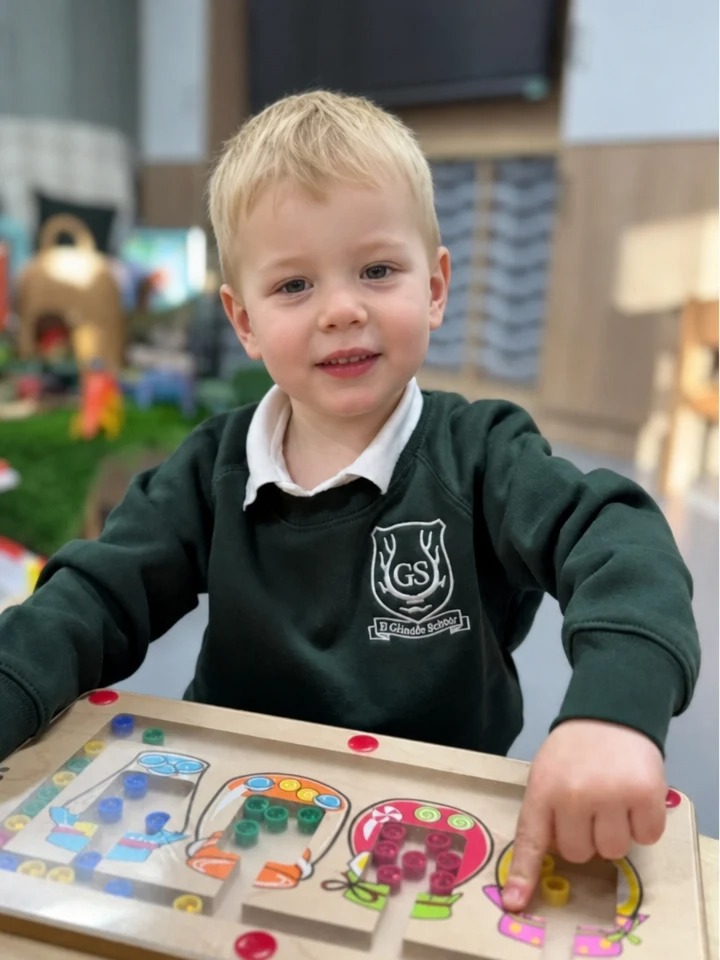
Are adults asking questions that invite more than a yes or no answer? Do they give children time to respond? Are new words introduced naturally? Do children have opportunities to explain what they are doing, tell stories, listen to others and disagree respectfully?
This is also why a busy Early Years classroom isn’t necessarily a bad thing. A certain amount of noise is a sign that children are talking, playing and interacting. The important thing is whether that noise is accompanied by meaningful conversation.
4. Don’t underestimate the importance of physical development
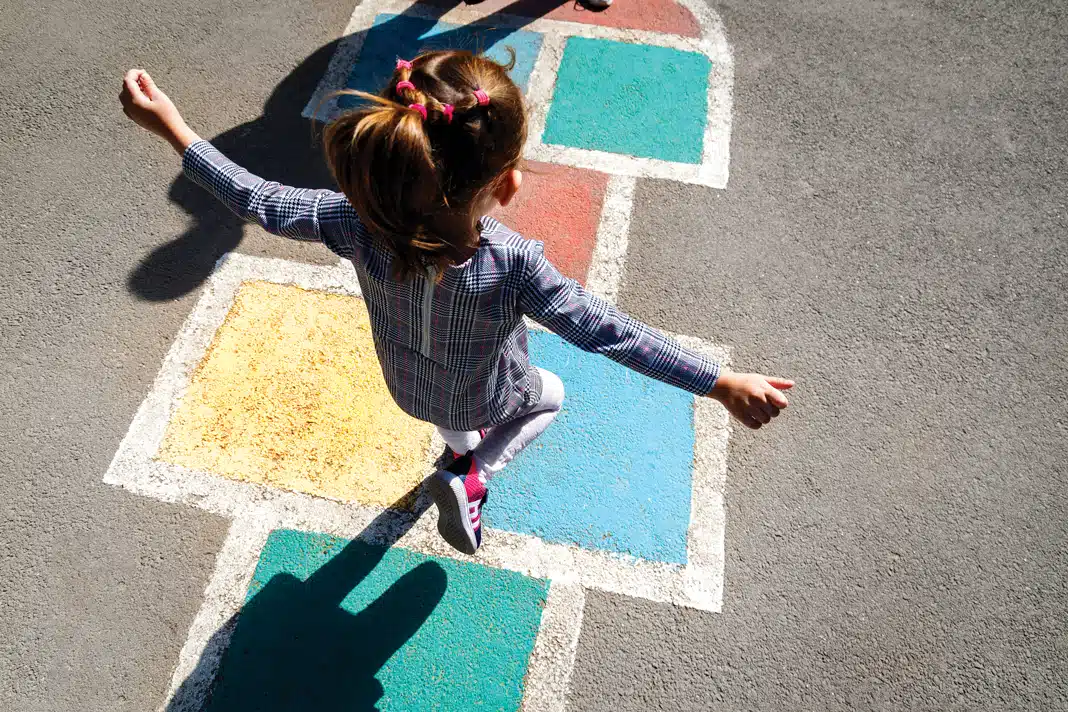
Running, climbing, balancing, throwing, catching, jumping and manipulating objects all help develop the physical skills children need. Not only for sport, but for everyday life and later classroom learning too.
So ask how much movement is built into the school day. Is PE taught by specialists? How often do children use outdoor spaces? Do they have opportunities to develop both gross and fine motor skills?
It is also worth considering the breadth of physical experiences available.
A child who encounters different sports early on may discover an activity they genuinely love. They may not remember the technique they learned at four, but they may remember that they loved being part of a team, running across a field or learning something they initially found difficult.
5. Look for outdoor learning with a purpose
“Outdoor learning” can mean very different things. Sometimes it simply means having a playground. But what’s more valuable is an environment where being outside creates different opportunities for learning.
Can children investigate nature? Collect and compare objects? Notice seasonal changes? Make things? Search for insects? Get their hands dirty? Take manageable risks? Use their imagination?
These experiences give children a reason to observe closely and ask questions.
A dedicated outdoor classroom, for example, can become another learning environment rather than simply somewhere to burn off energy. Activities such as nature hunts, foraging and bark rubbing can encourage children to explore texture, pattern, change and the natural world while developing vocabulary and physical skills along the way.
The question to ask isn’t simply “Does the school have outdoor space?” It’s “What do children actually do with it?”
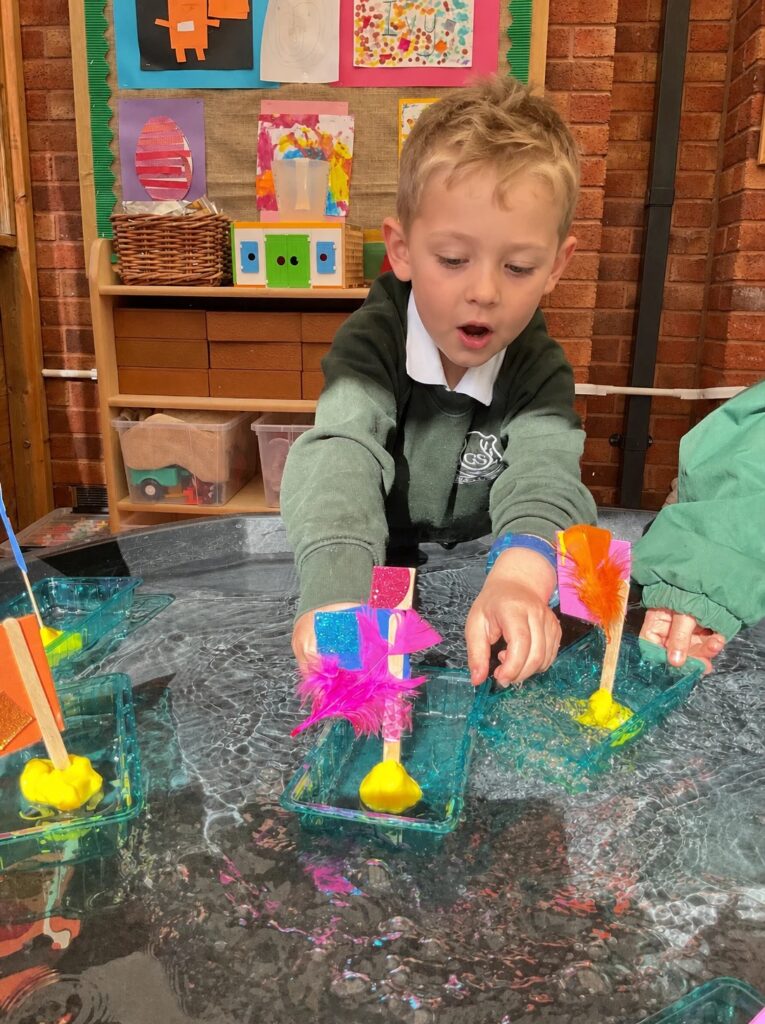

6. Find out what enrichment looks like at this age
Music, sport, art, performance and other enrichment activities are sometimes treated as extras that children encounter when they are older.
There is a strong argument for introducing them much earlier.
Early Years children are naturally experimental. They are willing to sing loudly, make things that don’t quite look like the original plan, try unfamiliar movements and ask wonderfully direct questions.
A broad range of experiences can help them discover interests and strengths that might otherwise remain hidden.
This doesn’t mean filling every minute with activities. Good enrichment should still feel playful and age-appropriate.
It might be drawing and storytelling one day, singing the next, or spending time with an older pupil reading a book together. What matters is giving children opportunities to encounter experiences beyond the immediate classroom and discover that learning can take many forms.
7. Consider the wider school community
For some families, Early Years is the beginning of a much longer educational journey. For others, it is simply the right setting for the first few years. Either way, it is worth understanding how an Early Years provision connects to the wider school.
What happens when children move into Reception? How easy are transitions? Do younger children have meaningful opportunities to interact with older pupils? Can they use specialist facilities elsewhere on the school site?
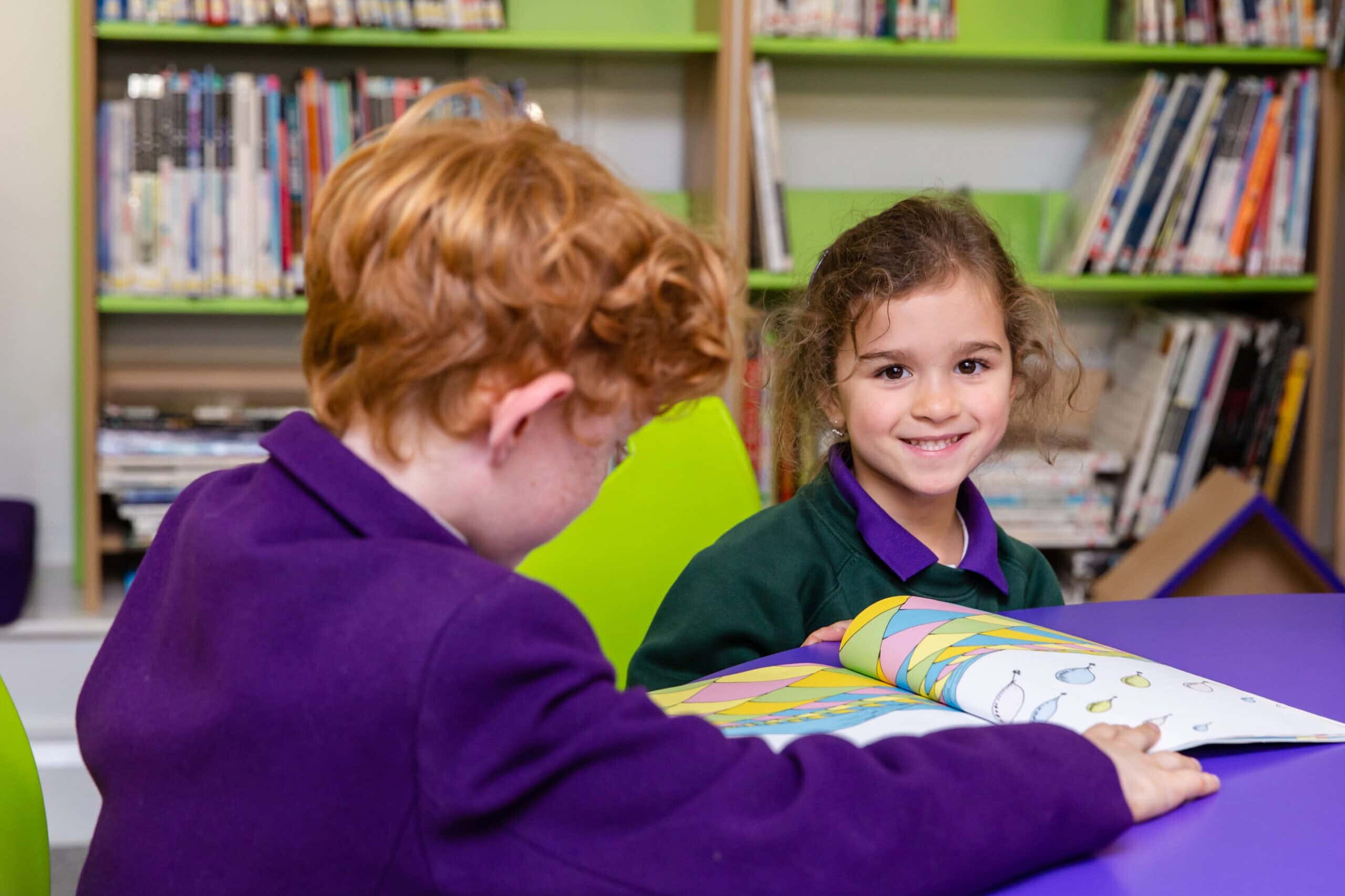
A school community can offer some lovely opportunities when younger children are given a genuine place within it. Whether that’s reading with older pupils, taking part in whole-school events or gradually becoming familiar with the people and spaces they will encounter as they grow.
For example, Grange School’s introduction of a new Pre School means children can now begin their education there from the age of three and continue through to 18, creating an all-through educational journey.
That continuity won’t necessarily be the deciding factor for every family, but it is certainly something worth asking about when comparing different types of provision.
“Every family chooses an Early Years setting for their own reasons, but all want their child to feel happy, secure and known. At The Grange, we are proud to offer children the opportunity to begin their journey with us from age three and grow through every stage of their education. Alongside this continuity, we place great importance on developing strong relationships with parents, because when home and school work together, children gain the confidence, support and encouragement they need to thrive.” says Mr Tagg, Head of The Grange Junior School.
8. Ask how the school defines a child who is “doing well”
This might be the most revealing question you can ask. If you ask a school what success looks like for a four-year-old, what do they tell you?
Of course, early literacy, numeracy and communication matter. But so do confidence, friendships, curiosity, physical development, creativity, emotional wellbeing and the ability to persevere when something doesn’t immediately work.
A child who comes home knowing a new sound is making progress. So is a child who has finally found the confidence to join a group. Or the child who has learned to share a resource, put their coat on independently or ask an interesting question about something they’ve noticed outside.
The best Early Years education doesn’t force these areas to compete with one another. It recognises that they are connected.
This is where a school’s underlying philosophy really matters. At Grange School, for example, the focus is on developing the whole child, balancing academic foundations with creativity, physical development, wellbeing and social growth. Its Early Years provision also gives children access to enrichment, specialist teaching and outdoor learning alongside their core classroom experiences.
“The best Early Years education lays foundations that extend far beyond the classroom. It inspires children to ask questions, persevere when things are difficult, form meaningful relationships and take delight in discovering the world around them. Academic learning is vital, but it is most powerful when accompanied by confidence, curiosity and a strong sense of self. These are the qualities that help children flourish not only in school, but throughout their lives.” says Mr Tagg, Head of The Grange Junior School.
A strong Early Years education should ultimately leave children with more than a set of skills. It should help them become increasingly confident in themselves as learners, willing to have a go, ask questions, make mistakes and try again.
What should you look for on a school visit?
It can be tempting to arrive at an Open Morning with a mental checklist of facilities, clubs and curriculum details. Those things matter. But don’t forget to watch the children.
Do they seem comfortable approaching adults? Are they absorbed in what they are doing? Are they talking to one another? Do they have choices? Are they allowed to get things wrong? Does the classroom feel calm without feeling restrictive?
And talk to the staff. Ask what happens when a child is struggling to settle. Ask how independence is encouraged. Ask how parents are kept informed. Ask what a typical day looks like (not the perfect day for an Open Morning!), but an ordinary Tuesday.
Most of all, try to picture your own child there.
Because ultimately, the question isn’t whether a school can offer an impressive list of opportunities. It’s whether it can create the kind of environment in which your child feels safe enough to explore, confident enough to try and curious enough to keep asking questions.
This is a sponsored post created in collaboration with The Grange School, Cheshire’s top-performing independent co-educational school for 4 to 18 year olds.
Read more school news here.
You may also like...