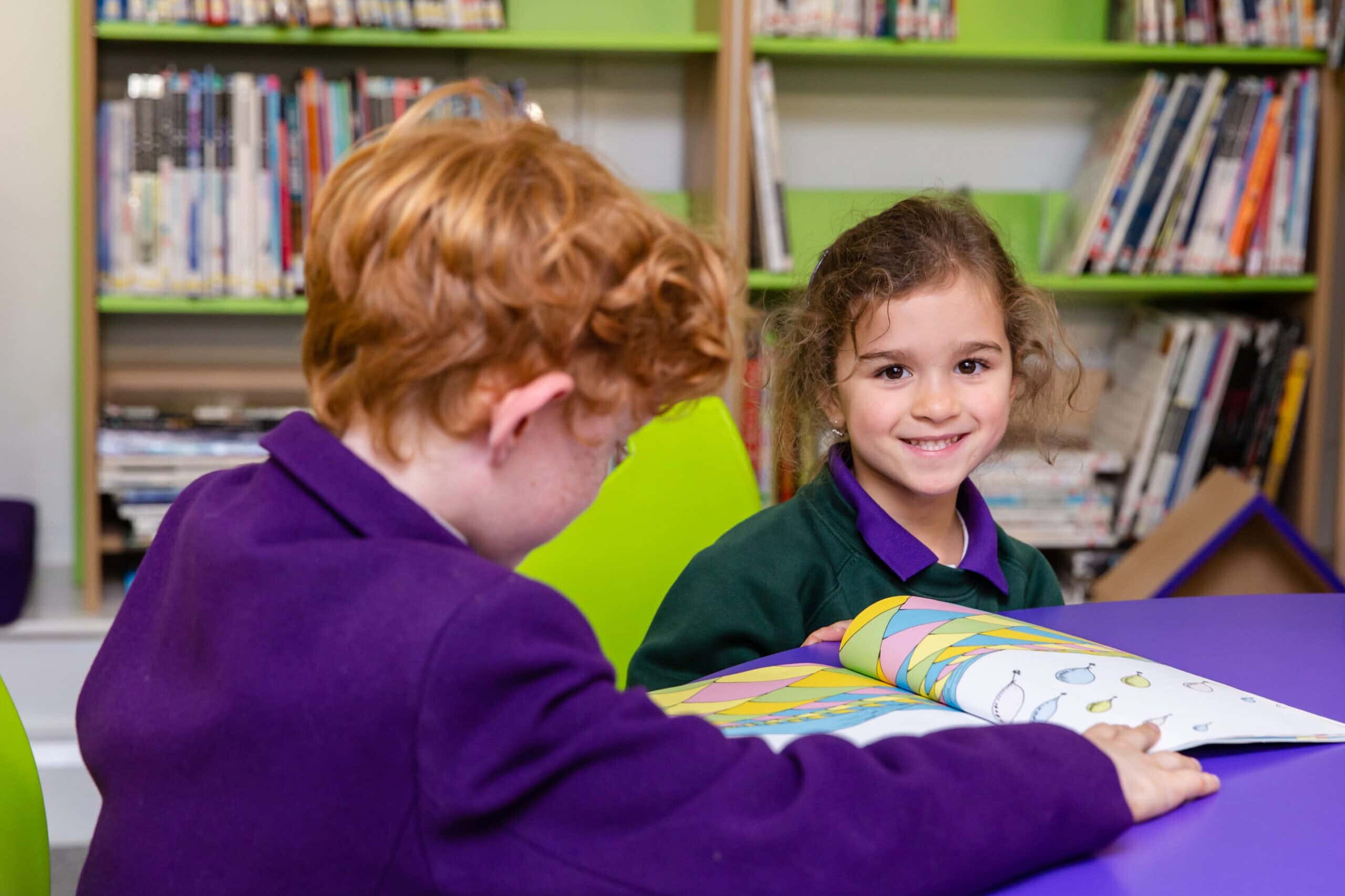
Emma Gray, Head of St Margaret’s Junior School in Bushey, Hertfordshire, on the importance of teaching young children about good food

NHS Digital reported in 2018 that just 18% of children aged between five and 15 years ate the recommended five or more portions of fruit and vegetables a day. The results were similar for both girls and boys. Yet fruit and vegetables provide the cornerstone of a healthy diet, containing essential vitamins and minerals that support a child’s rapidly growing body and developing brain.

Introducing young children aged between four and six years to the benefits of healthy eating has to be delivered in a way that is interactive, memorable, fun and enriching in terms of the overall experience. It is important that any sessions are short and engaging but emphasise key messages around food in a way that children understand. At our school we are working with a qualified nutritionist who delivers regular sessions to our younger pupils, and we have found that they are slowly but surely making the connection between eating real food and experiencing good health.

The children have been exposed to a number of fun activities which are helping them to identify a wide range of seasonal fruit, vegetables and herbs –as well as learning why they should include them in their diet. The weekly workshops use a combination of storytelling, colour coding and craft activities to emphasise key messages around healthy food. The stories usually follow an interactive discussion with the children about a particular food, and then they participate in a craft activity related to it.

“Younger pupils are slowly but surely making the connection between eating real food and experiencing good health”

The format for each workshop is 25 minutes maximum. That is long enough to retain attention. These sessions usually begin with a story about a tiny harvest mouse who has found herself living in a human house. She is a character that the children have come to know and love. The mouse spends her time nibbling leftovers and gains a superpower from every piece of fruit or vegetable she eats. Each week, the children discuss that superpower and finish the session with an activity that focuses on that particular food.

For instance, in a past session the children learned about the benefits of beetroot. When the harvest mouse nibbled some, she gained super strength and managed to escape the clutches of the family pet cat. The message was – red beetroot contains the mineral ‘iron’ which is needed for muscle strength and energy – the result being that beetroot can help make you strong. For the craft activity at the end of this session, the children made red playdough out of beetroot juice and then modelled their very own beetroot.

The impact of regular nutrition workshops on our youngest pupils has been very encouraging. The children can recount what they’ve learned, and they get lots of hands-on experience with healthy foods. From a communications perspective, the sessions encourage pupil voice and feedback as well as creativity from a young age.

While children are young, it’s so important for schools to exploit this crucial window of opportunity to reinforce the importance of a healthy diet and help them to learn about food and cooking in a way that sparks their interest. The more our children understand about the food they eat, the stronger the foundation for their educational outcomes and future lives.

St Margaret’s Junior School stmargarets-school.org.uk/junior-school

Further reading: Nutritional therapist Alison Peacham on managing a fussy eater

You may also like...