The Association of British Orchestras (ABO) is highlighting the lifelong value of music education, whatever young people’s future pathway
The Association of British Orchestras (ABO) is highlighting the value of studying music at school – and its positive impact in diverse careers – to raise awareness of the social and economic impact this has on the UK and its industries. Linking to its ‘An Orchestra in Every School’ initiative, the ABO is targeting young people choosing GCSE and A-level subjects for the 2026 academic year and beyond, to emphasise how live music making delivers a diverse skillset and benefits wellbeing and work-life balance.
A recent survey of adults who make music in their leisure time found that many transferable skills including practice and perseverance (89%), focus and concentration (87%) and teamwork and collaboration (85%) proved vital in respondents’ career paths. The survey, conducted by Making Music in collaboration with the ABO, also revealed that for 79% of respondents, music education developed performance and presentation skills transferable to their working life.
Almost half (48%) of respondents have used these skills in non-music or non-STEM professions and over a quarter (28%) cite a direct skills benefit in their STEM career. Respondents find music helps with areas such as social skills, physical awareness and proprioception.The most common professions which respondents work in are financial services, medicine, emergency services and religion. More than a fifth work in education. Almost 80% of respondents play in an ensemble, orchestra or band and listen to music at home in their leisure time. Respondents noted how access to live music helps achieve a positive work-life balance.
“Live music making in all its forms develops a range of skills that can be utilised in any career path,” says Sophie Lewis, Chair, the Association of British Orchestras. “There are numerous benefits to having access to live music making experiences from a young age, whether that is academic achievements, developing confidence, creativity and improvements to mental and physical wellbeing.”
Laura Baxter, Creative Learning Director of Scottish Chamber Orchestra, an ABO member, says: “Access to high-quality music education, and all the knowledge, joy and connection that brings, opens doors that help children and young people move from school into the world around them and to do so confidently, creatively and in community with others”.
While there has been some growth in the number of GCSE Music entries over the past two years, a lack of school resources across many parts of the state sector means some young people rely on alternate approaches to develop their music-making skills – including online tutorials and self-study.
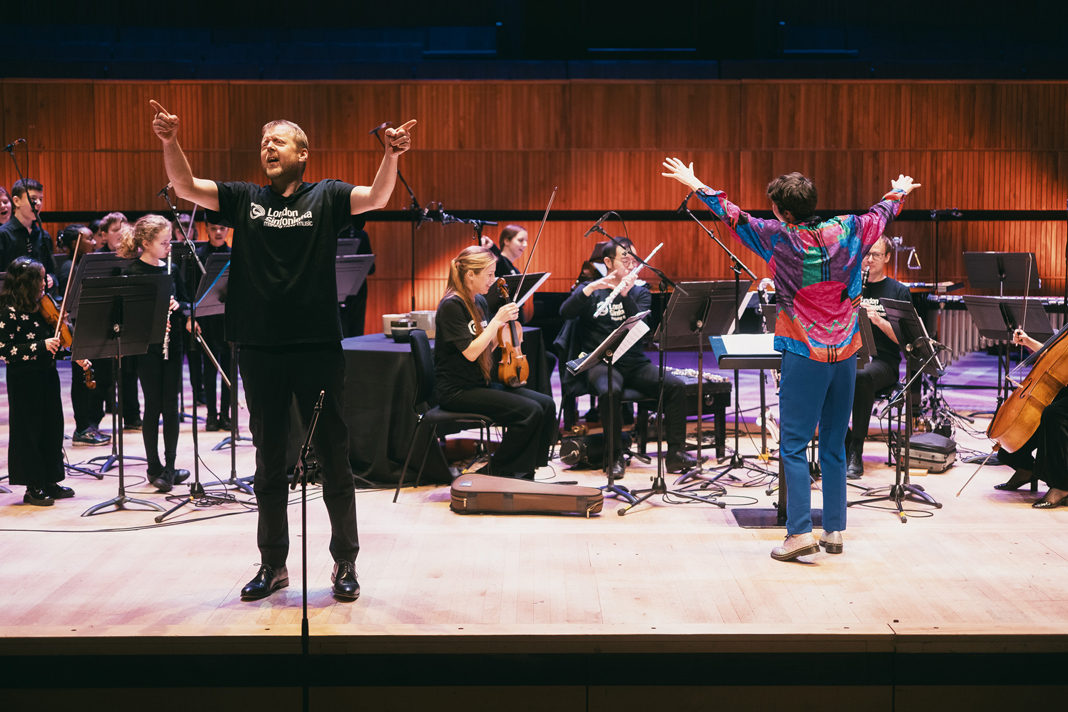
The ABO and its members pledged to deliver over 1,000 live music-making opportunities this year, with the aim of giving over one million young people the opportunity to experience live music. These activities take the form of workshops, training sessions and live performances.
Find out more about An Orchestra in Every School (#AnOrchestraInEverySchool) and ABO’s work at abo.org.uk
Further reading: Pangbourne College on why music matters
You may also like...