When it comes to early years education, more and more parents are looking beyond the classroom. Outdoor learning (from Forest School sessions to free play in gardens and green spaces) is increasingly recognised as a vital part of a child’s development. Here’s why you should consider a school that prioritises outdoor learning for your child.

Why does outdoor learning matter?
The benefits of outdoor learning are well-documented, from boosting creativity to improving concentration and wellbeing. Nature-based play helps children develop gross motor skills, encourages risk-taking in a safe environment, and supports social learning.
Spending time outdoors also gives children space: physically and mentally. In a leafy garden, a woodland trail or a nature-inspired outdoor classroom, they are free to move, explore and investigate on their own terms. It’s this real-world learning that can spark curiosity, build confidence, and foster a genuine love of learning.
At Herne Hill School in South London, outdoor education isn’t a bonus activity reserved for sunny days. It’s a core part of the curriculum, woven into the rhythm of each day.
“It is our belief that young children thrive most when learning in a creative, exploratory and experiential way – and that being outdoors offers the ideal setting for this,” says the School.

Building confidence and independence
Whether it’s climbing a log, balancing on stepping stones, or building a den with friends, outdoor activities give children the opportunity to assess risks and solve problems independently. These experiences develop resilience and perseverance, qualities that are harder to nurture inside a conventional classroom.
At Herne Hill School, teachers encourage pupils to take the lead in their outdoor adventures. Staff guide and support rather than direct, giving children the autonomy to test ideas and learn from mistakes. This is vital preparation for life beyond the Early Years.
“Our outdoor spaces provide the perfect environment for developing confidence, resilience and independence – all essential lifelong learning skills,” says the School.

Healthier minds and bodies
Outdoor learning isn’t just good for brain development, it’s also good for mental and physical health. Children who are regularly active outside tend to have better motor coordination, stronger immune systems, and greater focus. Being in nature has also been shown to lower stress and support emotional regulation, helping young children manage big feelings.
Access to fresh air and natural light throughout the school day is especially important in urban settings, where children may not have easy access to gardens at home.
Embedding a lifelong love of learning
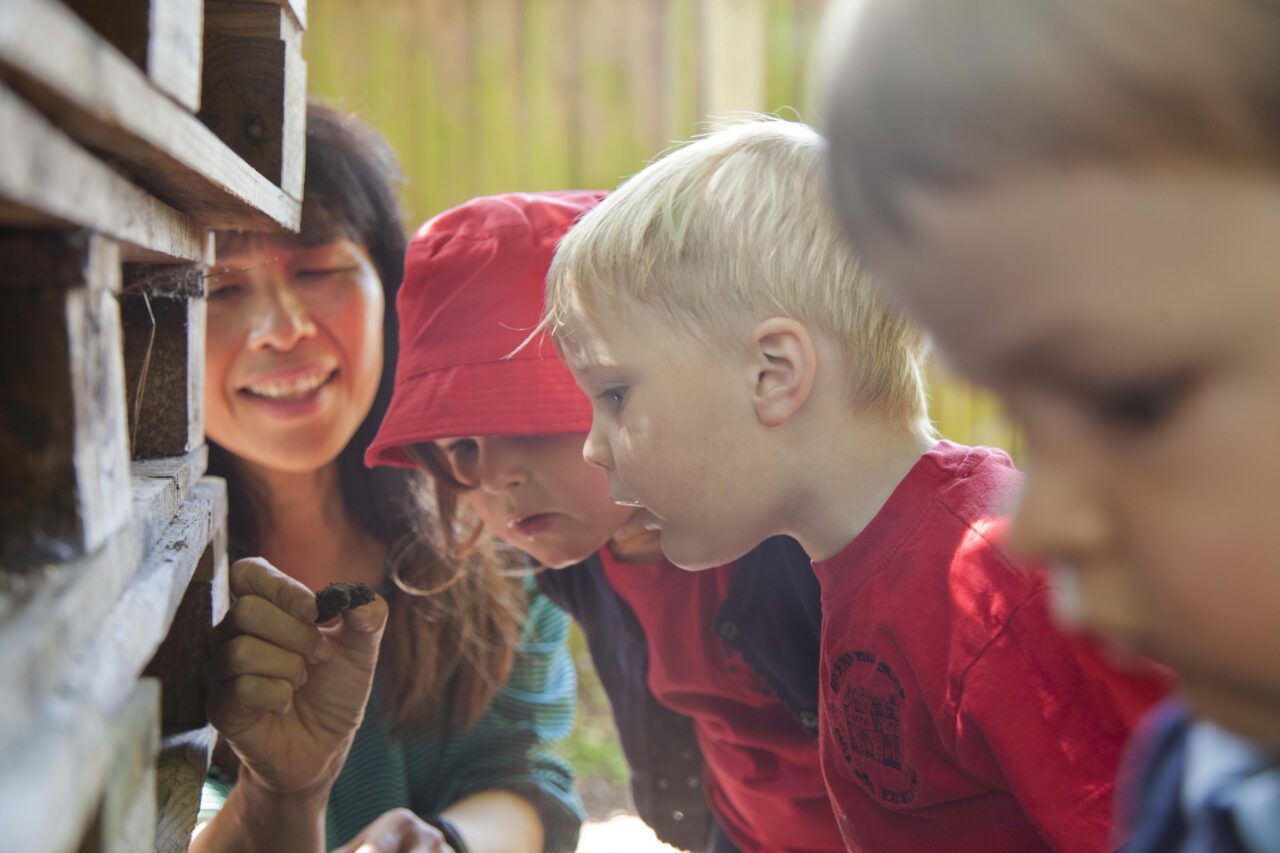
Outdoor education supports the curriculum in ways that are imaginative and memorable. A maths lesson becomes a treasure hunt; a story unfolds beneath a tree canopy; a science discovery happens when turning over a log. These experiences are multi-sensory, meaningful, and often magical, helping children connect with the natural world and the importance of protecting it.
At Herne Hill School, outdoor learning isn’t a standalone subject: it’s a teaching approach that informs everything from literacy and numeracy to music and art.
“We take the learning outside in a wide variety of ways – from nature hunts and gardening to storytelling and mindfulness,” says the School.
Final thoughts
For parents considering how best to support their child’s early development, outdoor learning offers something uniquely powerful. It allows children to explore creatively, grow in confidence, and develop a lasting love of learning – all within a natural environment that inspires joy.
This is a sponsored post created in collaboration with Herne Hill School, a co-ed Pre-Prep and Nursery in South-East London.
Read more school news here.
You may also like...