For today’s parents, choosing the right early years education is about far more than early literacy and numeracy. With children facing growing academic, social and emotional pressures at an ever-younger age, families are placing greater value on emotional security, confidence and kindness, recognising that these early foundations shape not just how children learn, but how they experience the world.
The early years are a critically formative stage in which children begin to shape their sense of self, build relationships and develop attitudes towards learning that can last a lifetime. When wellbeing is embedded from the earliest stages, children are more likely to develop confidence, resilience and a secure curiosity about the world around them.
What wellbeing really means in the early years
In early childhood, wellbeing is not simply about children feeling happy or settled. It encompasses emotional safety, predictable routines, supportive relationships and the reassurance that children are valued as individuals.
Together, these elements support children in managing emotions, expressing themselves clearly and approaching new experiences with confidence. A strong sense of wellbeing also supports concentration, motivation and positive behaviour, all of which underpin successful learning.
At specialised early years schools such as Herne Hill School, wellbeing is understood as the foundation of early education, with a strong emphasis on creating nurturing environments where children feel safe, supported and known.
Ngaire Telford, Herne Hill School’s Headteacher, explains that “Our ethos of ‘Love – Care – Excellence’ provides a tone setting, cultural umbrella over our entire provision. It encapsulates our conviction that love and care are essential prerequisites for a young child’s optimal development by awakening their innate curiosity and establishing a positive cycle of learning, success, confidence and happiness. ‘Excellence’ then follows naturally.”
Learning through connection, not pressure
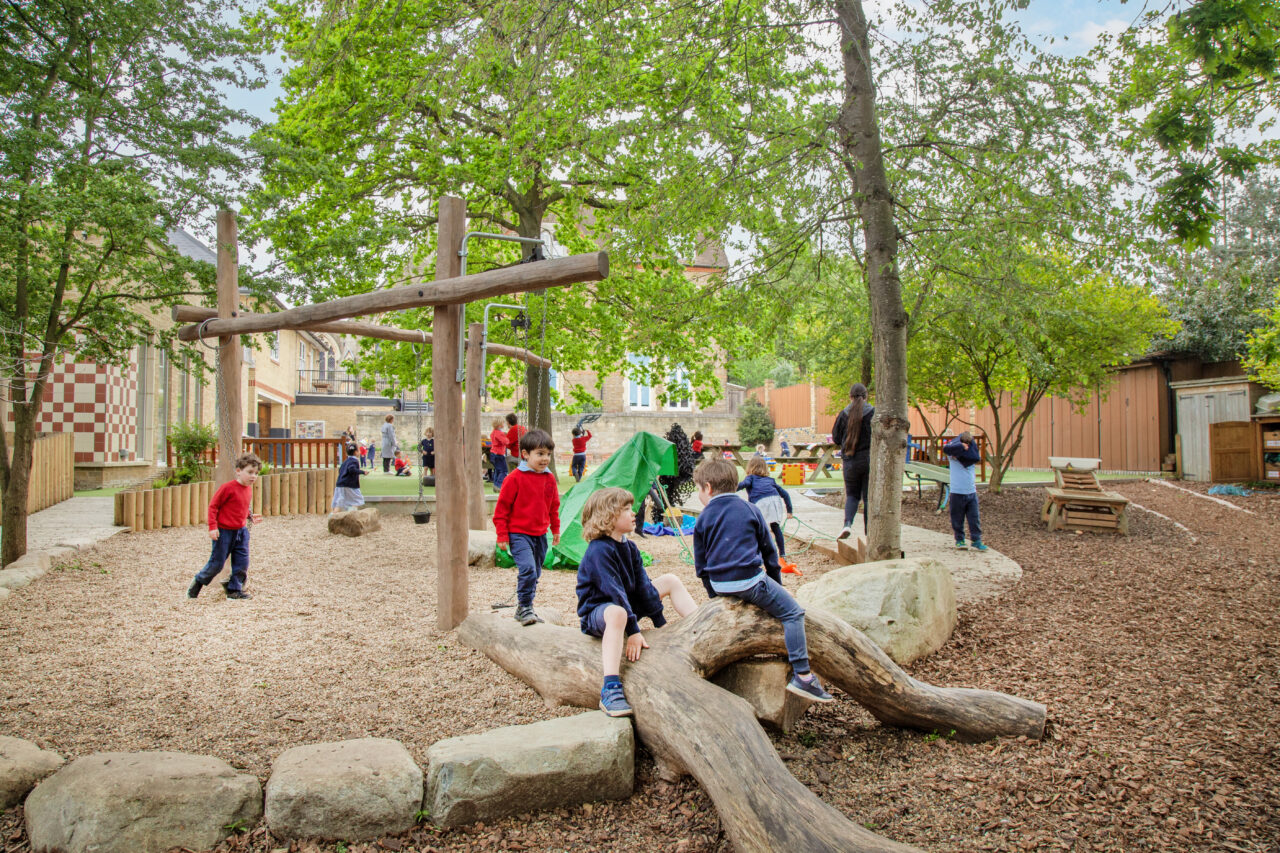
In the early years, learning is most effective when it is rooted in play and meaningful interaction. Play-based learning supports language development, creativity and social skills, while allowing children to follow their interests and learn at an appropriate pace.
This approach does not mean a lack of academic ambition. Instead, it recognises that children who develop confidence, curiosity and emotional security are better prepared for more formal learning later on.
Innovative, leading schools, including Herne Hill School, are committed to maintaining a play-based ethos even as children begin to prepare for the transition into more structured learning, ensuring that emotional and social development remain central.
Ngaire Telford says: “Our holistic and play-based approach to learning envelopes the whole child, supporting their happiness, emotional development and overall wellbeing as the first priority. Our termly changing curriculum topics enable creative, child-centred, interactive learning opportunities that prepare children for a rapidly changing world, alongside developing soft skills and a strong moral compass.”
Wellbeing woven into everyday school life
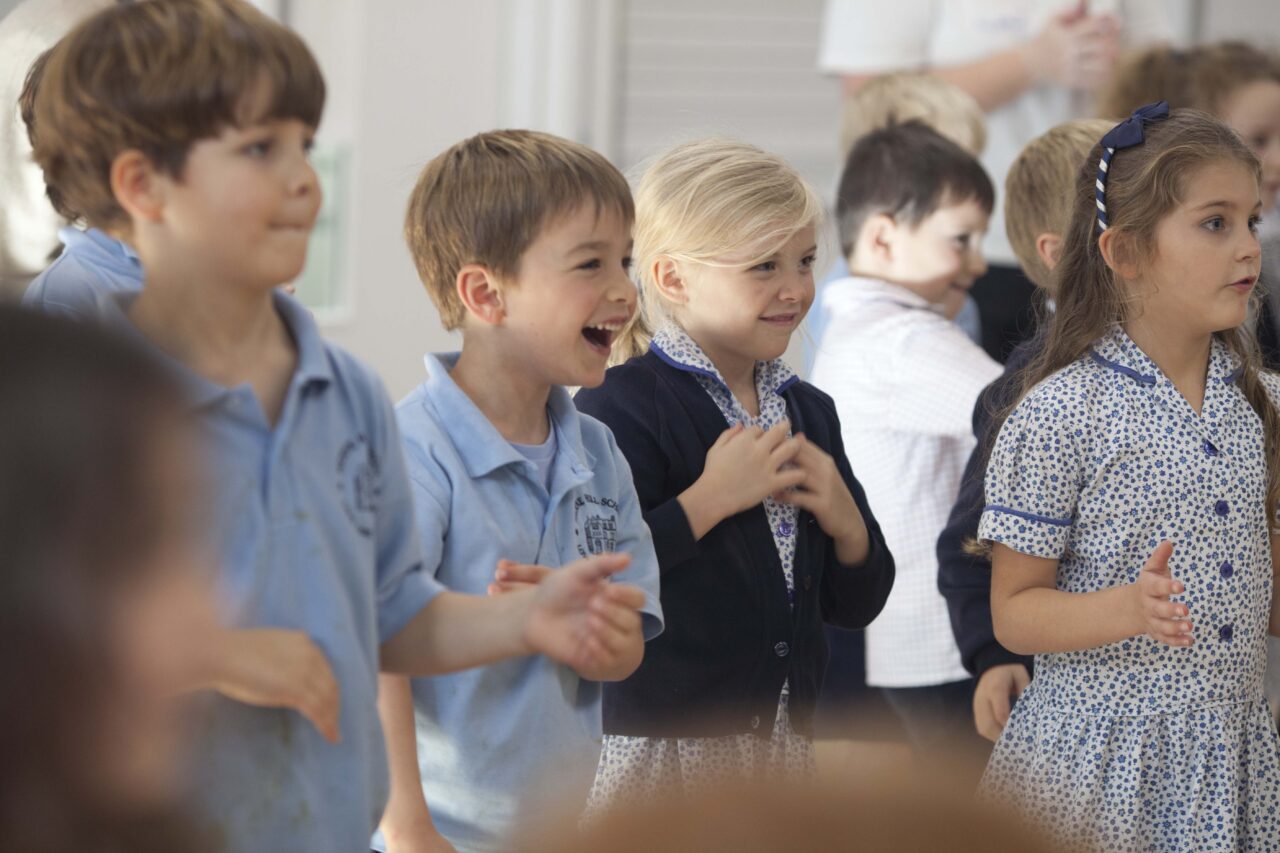
Wellbeing education is most effective when it is embedded into daily routines rather than taught in isolation. Everyday moments, such as resolving disagreements, sharing resources or reflecting on feelings, offer valuable opportunities for children to develop empathy, self-awareness and respect for others.
When personal, social and emotional learning is integrated across the curriculum, children begin to understand how their actions affect those around them and how to navigate relationships with care and confidence.
This holistic approach is reflected at Herne Hill School, where wellbeing and PSHE are woven into all aspects of school life, reinforcing consistent values and expectations.
Hannah Stratton, Herne Hill School’s Head of Key Stage 1, who led an extensive, 18-month process at the school to achieve a prestigious Wellbeing Award for pupils, staff and parents in 2025, explains: “We were motivated to undertake this schoolwide process to elevate and further embed wellbeing into the school’s DNA. Alongside our deeply ingrained ethos, careful guidance in applying our nine golden rules to daily life, and our warm, family-feel atmosphere, the award has further strengthened our ability to support children in developing strong social, emotional, and personal skills — undoubtedly key success factors for this generation to thrive.”
Supporting transitions with care and continuity
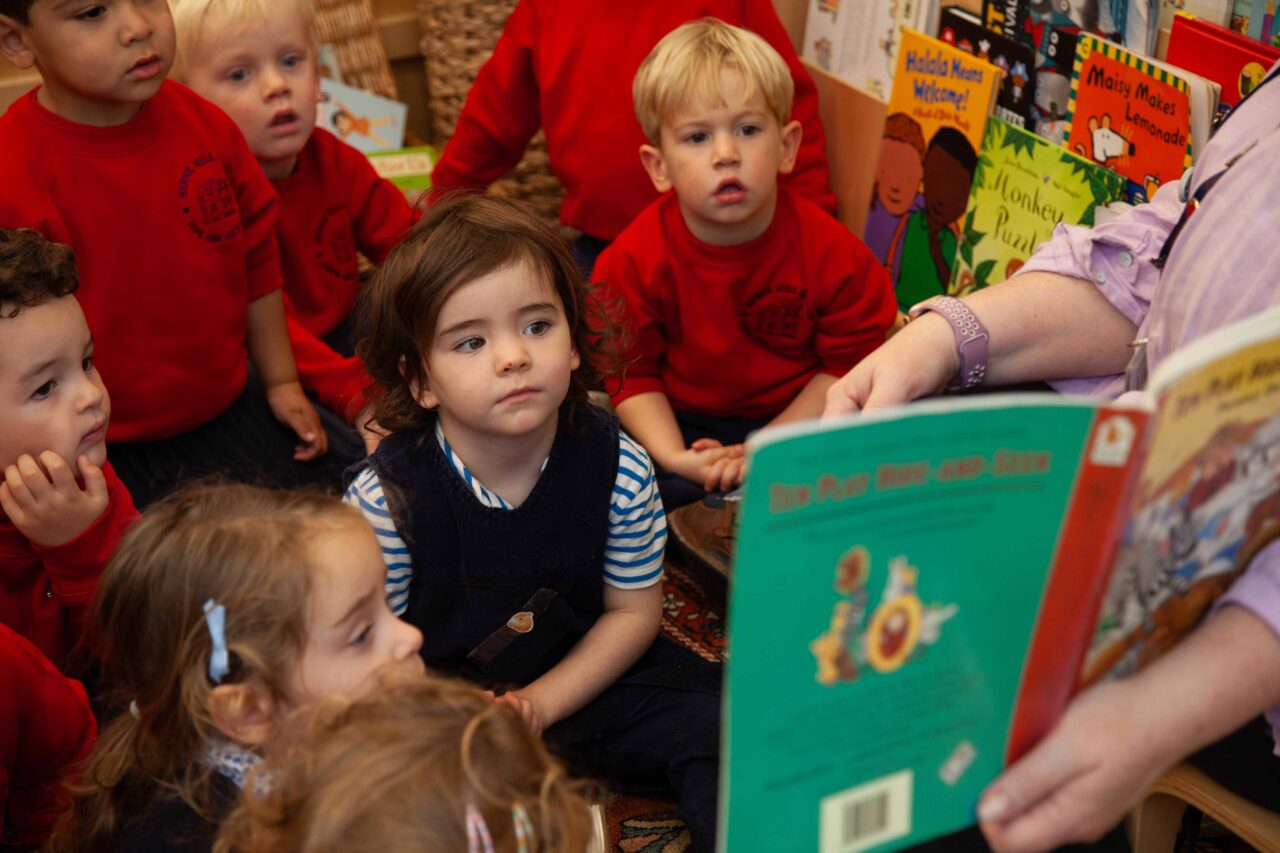
For young children, transitions (particularly the move from Reception into Year 1) can carry real emotional weight. While they may be ready academically, they often still benefit from familiar routines and opportunities for play.
Schools that approach transitions thoughtfully can help children adapt without unnecessary anxiety and thereby maintain their learning trajectories. Gradual changes, clear communication and emotional reassurance all play an important role in supporting confidence and wellbeing during periods of change.
Ngaire Telford believes that “Because of young children’s extraordinarily rapid development, their needs and learning abilities evolve frequently. It is therefore crucial for practitioners to understand these and adapt their teaching and learning approaches to ensure continuous meaningful learning experiences that both challenge and support. This is particularly relevant and pressing during the transition from the final EYFS years into Key Stage 1, which is notoriously ‘tricky’ for most children and can hold them back substantially if not supported adequately.”
Why school culture and staff wellbeing matters too
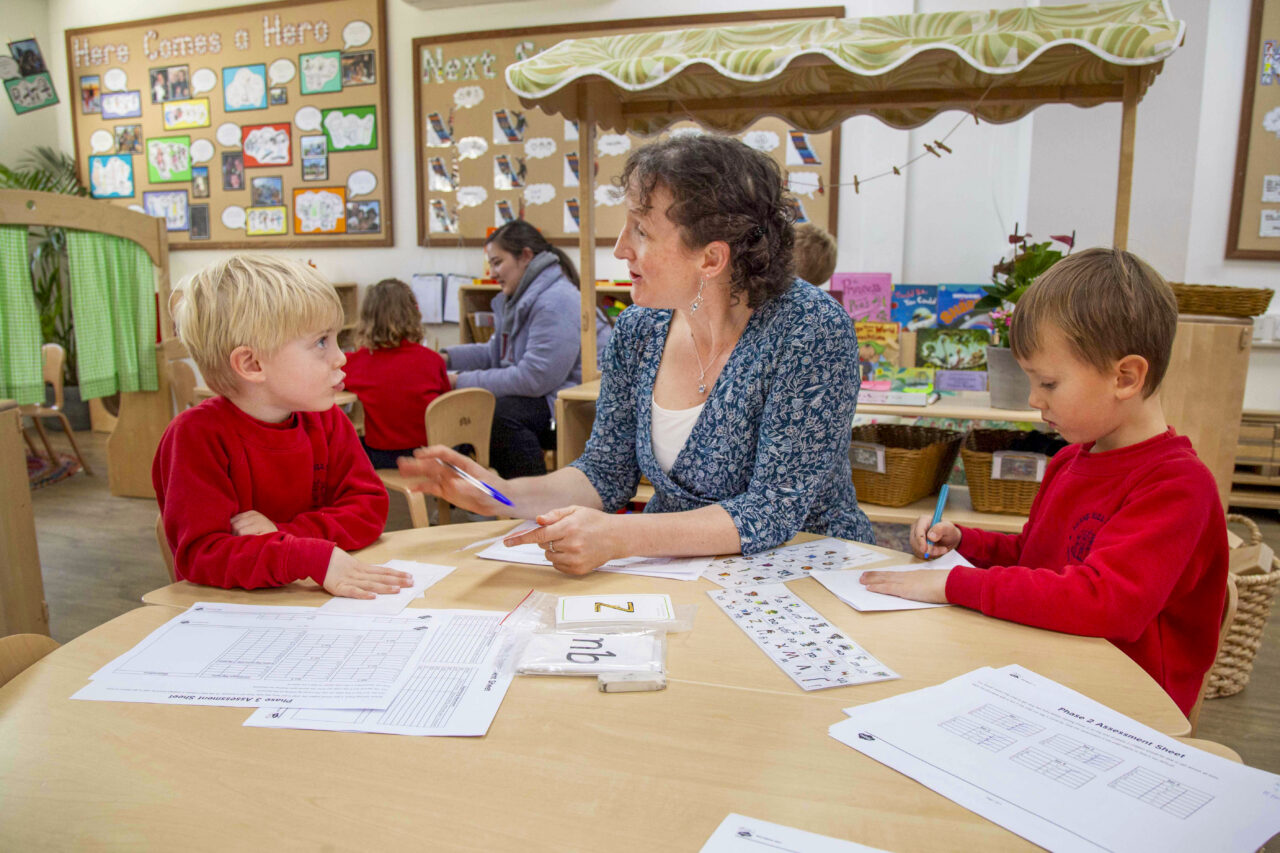
Children’s emotional wellbeing is closely linked to the wellbeing of the adults around them. Teachers who feel supported and valued are better able to respond calmly, build strong relationships and create positive learning environments.
A strong staff culture contributes to consistency and stability, which are particularly important in the early years. When children feel secure in their relationships with adults, they are more willing to take risks in their learning and express themselves openly.
In the eyes of Ngaire Telford, “Our staff are undoubtedly Herne Hill School’s greatest asset. They are at the heart of forming secure, loving and responsive relationships with and among the children. Coupled with stimulating spaces and resources, including the outdoors, these in turn form the basis for optimal learning and development.”
Practical ways parents can support wellbeing at home
While schools play a vital role, parents are inevitably even more central in supporting their children’s wellbeing. Small, consistent actions at home can make a meaningful difference.
- Establish predictable routines
Regular mealtimes, bedtimes and morning routines help children feel secure and reduce anxiety. - Encourage emotional language
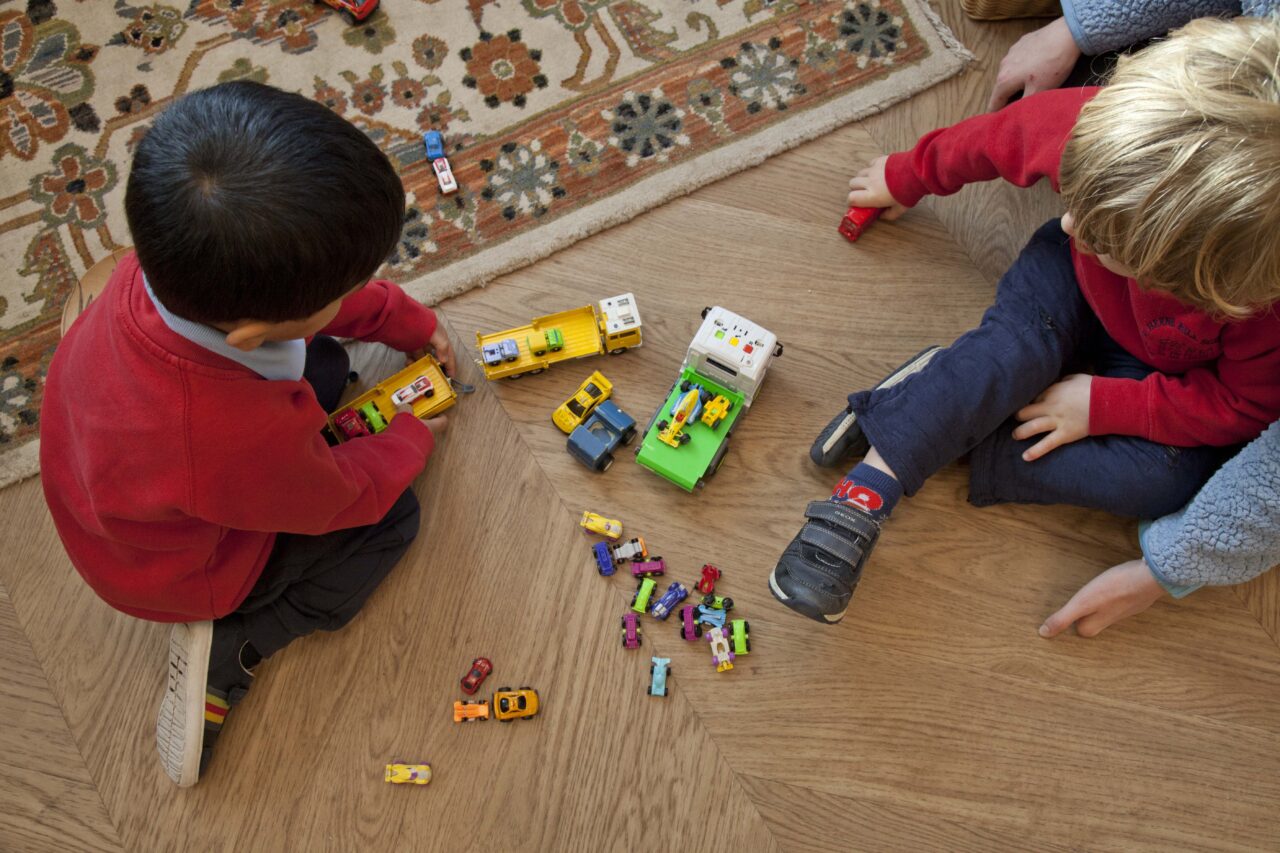
Helping children name their feelings supports emotional regulation and communication. - Protect time for play
Unstructured play allows children to process experiences, build creativity and develop independence. - Model calm behaviour
Children learn emotional responses by watching adults. Staying calm during challenging moments helps them do the same. - Celebrate effort, not just outcomes
Praising persistence and curiosity helps build resilience and confidence.
Preparing children for life, not just the next stage
A wellbeing-led approach in the early years equips children with skills that extend far beyond the classroom. Confidence, resilience, empathy and adaptability are qualities that support children through every stage of their education and into adulthood.
As families increasingly look for environments that nurture the whole child, wellbeing is no longer an optional extra. It is an essential part of helping children grow into capable, compassionate individuals who feel ready to face the world.
This is a sponsored post created in collaboration with Herne Hill School, a co-ed Pre-Prep and Nursery in South-East London.
Read more school news here.
You may also like...