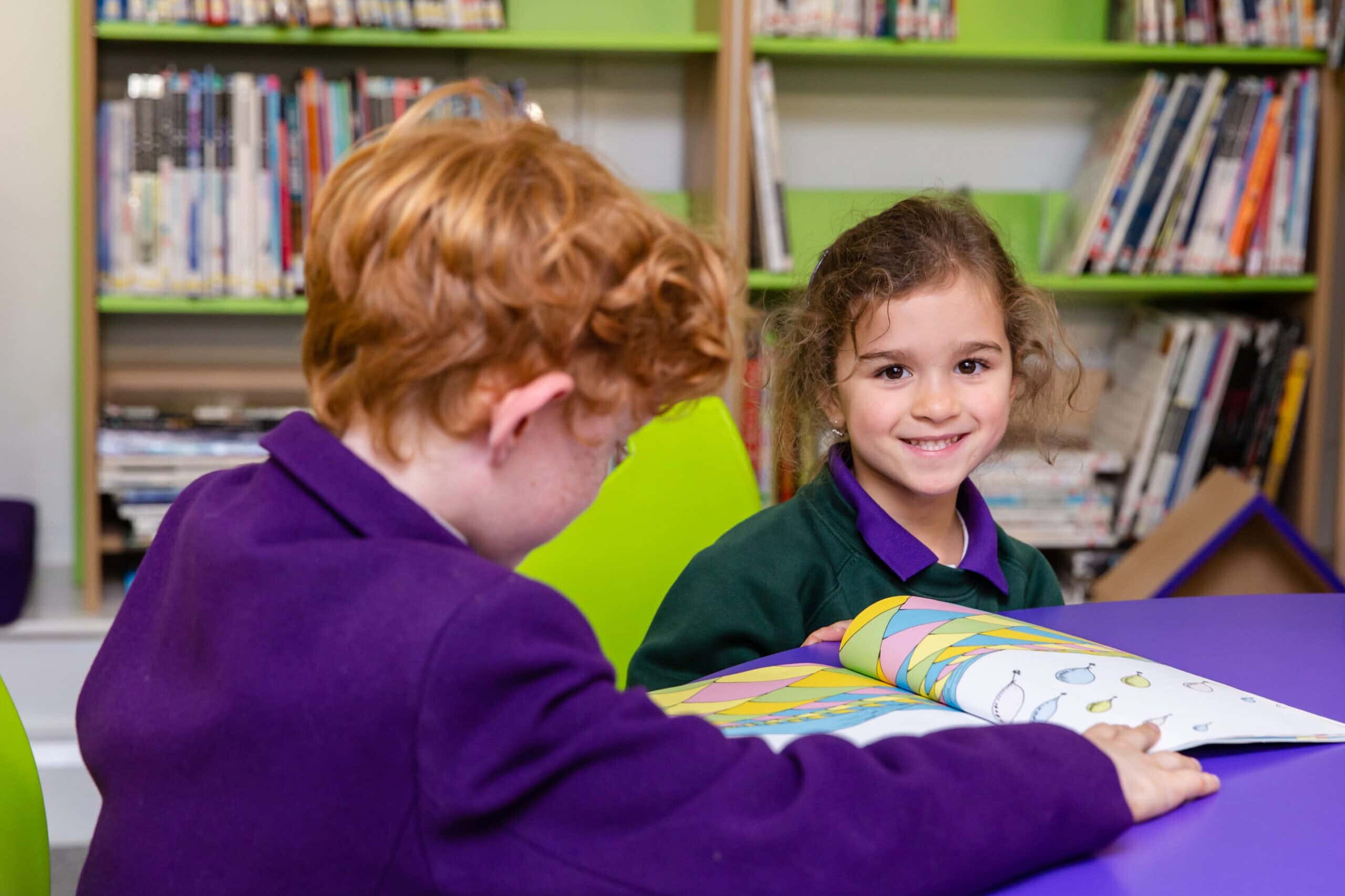
Peter Middleton, the Head of ArtsEd Day School and Sixth Form, on why academic rigour and creative energy belong together in education
Education has too often framed the performing arts and academic rigour as competing priorities. In an era of league tables and accountability, the performing arts are sometimes perceived as enrichment rather than essentials – enjoyable but dispensable when pressures mount. My own experience at ArtsEd convinces me that this is a false opposition. When academic excellence and performing arts are woven together, both thrive.
As Headteacher of ArtsEd Day School and Sixth Form in Chiswick, I see this every day. Our students commit themselves not just to traditional academic subjects, but also to high-level vocational training in acting, dance, and musical theatre. The result is not a compromise between academic and artistic learning, but a fusion that creates outstanding results in both.
Performance discipline
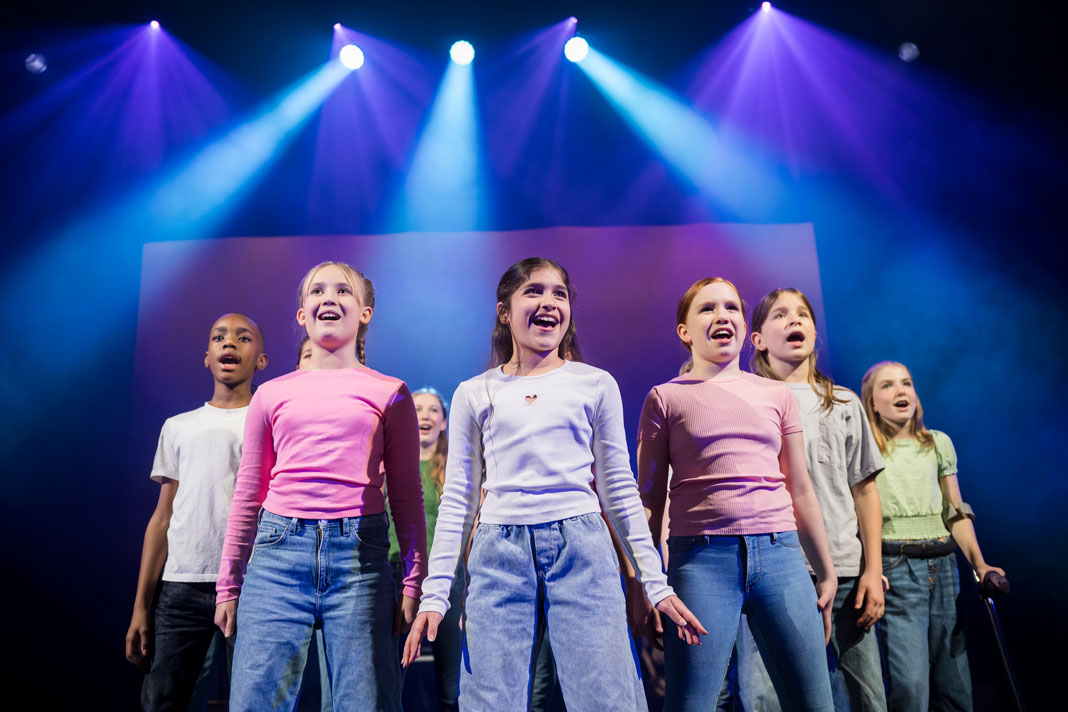
One of the common misconceptions about performing arts education is that it is less rigorous than academic study. In fact, the opposite is true. To perform well on stage or in the studio demands discipline, resilience, teamwork, and the ability to respond quickly under pressure. These are qualities that transfer directly into the classroom.
From an early stage, students at ArtsEd learn professional etiquette that mirrors industry standards: punctuality, preparation and mutual respect. This ethos sharpens their attention and focus. When they enter their Maths or English lessons after a demanding rehearsal, they bring with them the same commitment to excellence.
Rigour in the performing arts also builds self-confidence. Students accustomed to performing in front of an audience are better equipped to contribute to lessons, present ideas, and think on their feet. In my experience, this confidence is not limited to the extroverted or the naturally gregarious. The quietest of students can flourish through performance, discovering a voice that then strengthens their academic work.
Here, academic achievement sits alongside training in the performing arts, not behind it. Our recent recognition by the Independent Schools Inspectorate as having a ‘significant strength’ in the performing arts, and the ISA National Award for Excellence, testify to this. However, the real proof lies in the outcomes for students, with excellent grades (the best GCSE results since these exams were reformed), outstanding university and conservatoire destinations, and the skills to succeed in demanding professions both within and beyond the performing arts.
“Students learn professional etiquette that mirrors industry standards: punctuality, preparation and mutual respect”
Creativity also enhances cognition. When our Geography students construct three-dimensional models of landforms, or when History students make films to explore events, they are engaging both analytically and imaginatively. This dual approach deepens their understanding and retention of knowledge. It is not about replacing rigour with play; it is about using creative processes to reinforce intellectual challenge.
In English lessons, as another example, texts are often brought to life through enactment. This not only encourages a richer appreciation of literature, but also helps students to grasp themes, subtext and characterisation in a way that sits alongside close reading and critical analysis. Similarly, in French, musical integration strengthens language acquisition, showing how cross-disciplinary methods enrich and enhance learning.
Lessons for education
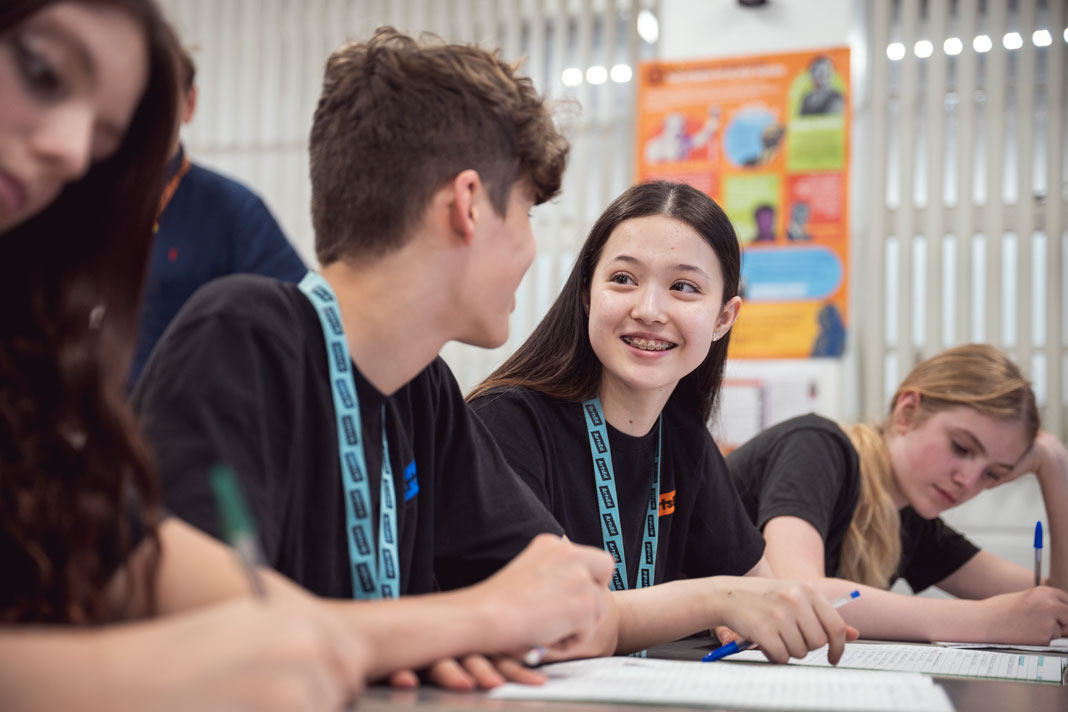
Of course, not every school can replicate the intensity of ArtsEd’s curriculum. We are fortunate in being a specialist performing arts school, but the underlying principle, that academic rigour and creative endeavour reinforce each other, can be applied in any educational setting.
At a time when curriculum pressures can lead to narrowing of subject choice, the risk is that the performing arts are squeezed out. Yet research consistently shows that participation in music, drama, or dance enhances cognitive development, executive function, and problem-solving ability. Even small opportunities for performance, collaboration, or creative expression within lessons can yield significant benefits.
In my view, the challenge for education today is not simply to produce excellent exam results, but to prepare young people for a future that will demand adaptability, resilience, and imagination. A curriculum that integrates rigour and creativity offers precisely that. The performing arts exemplify this integration, but the philosophy can be adopted more broadly – whether through project-based learning, cross-curricular tasks, or embedding performance and presentation into academic subjects.
What unites our students here is not just a set of qualifications, but a toolkit of qualities: discipline, creativity, empathy, and confidence. These are forged in the interplay between demanding academic study and equally demanding training in the performing arts.
Far from diluting academic rigour, the performing arts sharpen it. When young people are challenged both intellectually and creatively, they are not made to choose between academic success and artistic fulfilment. They can, and should, have both. That is not only our belief at ArtsEd, but also a message for education more widely.
ArtsEd Day School and Sixth Form artsed.co.uk/day-school-and-sixth-form
Further reading: Hurtwood House on breaking the mould
You may also like...