Fiona Read, Head of Bedales Pre-prep, on delivering early education that ignites curiosity and sets children up to thrive in an interconnected world

So often the all-important early years of education are sidelined by discussions of exam systems and transition to work. Having seen the ebb and flow of policies and initiatives over the last 25 years of teaching in the UK and internationally, I feel now is the time to ask fundamental questions about how we educate our youngest learners to foster a genuine love of learning. 

Many of today’s classroom practices were shaped by the Industrial Revolution, when education was designed to prepare children for a hierarchical, conformist workforce. Rows of children seated passively, absorbing knowledge dictated by an authoritative figure at the front of the classroom, are relics of this era. 

Today, the education pendulum has swung too far in favour of testing. A preoccupation with preparation for the next stage means young children face a plethora of standardised tests, such as SATs, throughout primary school, narrowing the curriculum by directing too much teaching towards preparing for assessments.

This rigid focus continues with a GCSE curriculum discredited by many educationalists, including the Rethinking Assessment group and former education secretaries across the political divide. Like SATs, GCSEs have become too restrictive and fail to nurture 21st-century skills increasingly valued by employers – notably flexibility, resilience and critical thinking. 

“From the very youngest, students are active participants in shaping a rounded education deeply connected with the world”

The National Curriculum in England was last reformed in 2014, but its roots lie further back. Much of the content is outdated, failing to reflect the latest developments in science and technology and stifling young people’s creativity. Too often, students are confined to traditional classrooms, with four walls and teacher-led instruction. Nature, imaginative play and hands-on exploration are relegated to the periphery of learning as occasional outdoor lessons or extracurricular activities.

There is much to learn from overseas, combining the best of the National Curriculum with global pedagogies to create a meaningful and engaging educational experience. We need a curriculum that focuses on concepts and skills that encourage independence, creative thinking and interdisciplinary connections. Embracing inquiry-based approaches would ensure that what we teach is not only academically rigorous, but also culturally responsive and globally minded, preparing our children to thrive in an interconnected world. 

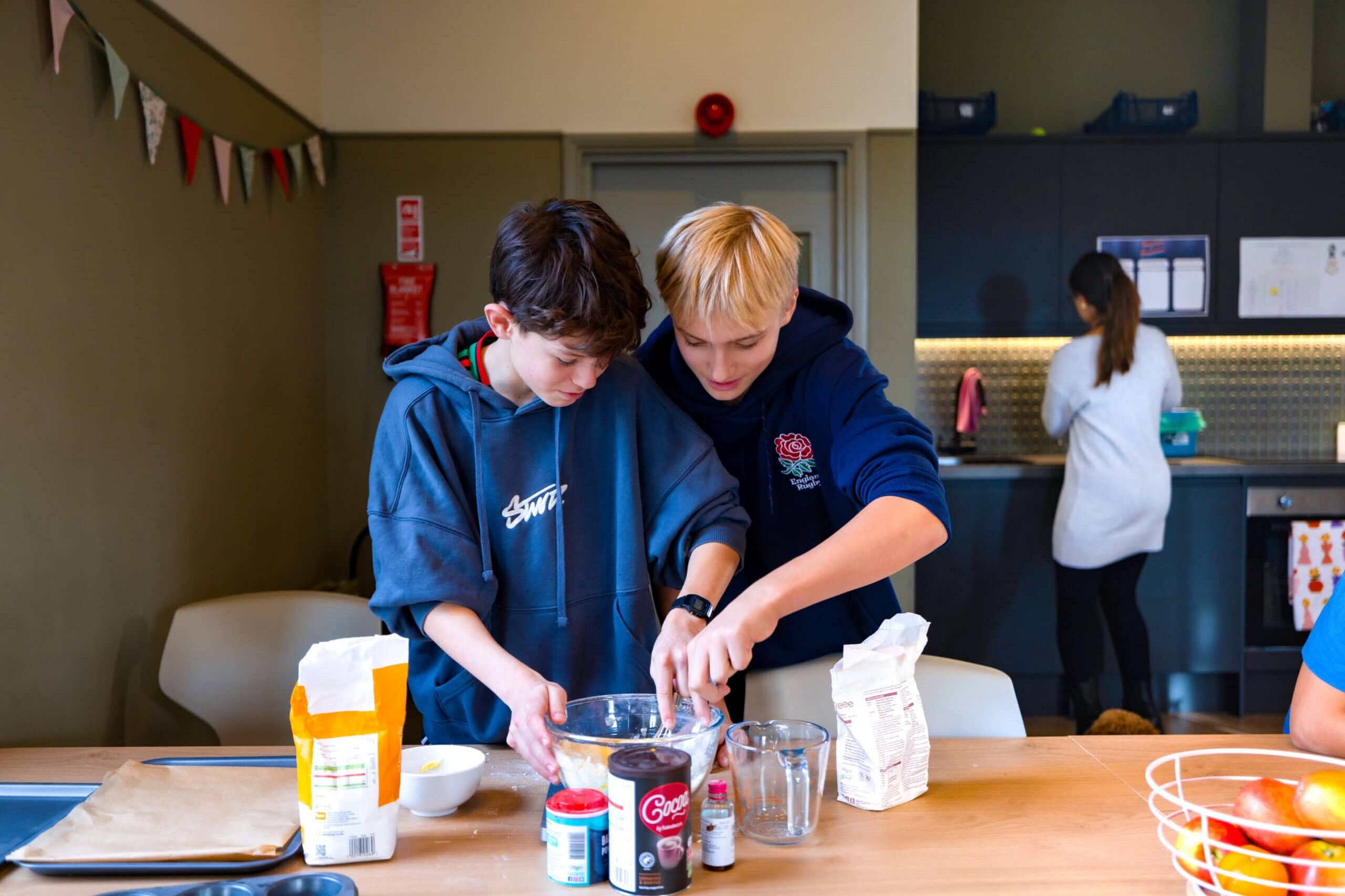
At Bedales, curiosity is nurtured at every stage of the learning journey. From the very youngest, students are active participants in shaping a rounded education that is personal, purposeful and deeply connected with the world. An inquiry-based approach enables Pre-prep children to explore topics in a hands-on, integrated way – extending their understanding through questions and scenarios and laying the foundation for a lifetime of learning.  

Unbound by the Common Entrance syllabus, Bedales Prep’s broad, balanced curriculum also gives children the space to think, ask questions and pursue ideas – encouraging them to take ownership of their learning without fear of failure and the pressure of unnecessary testing. At the Senior School, many GCSEs are replaced by Bedales Assessed Courses (BACs), UCAS-recognised qualifications that prioritise broader assessment methods and real-world relevance.

Children aren’t passive vessels to fill with knowledge, but inquisitive, social beings who thrive on collaboration and discovery. To truly revolutionise education, we must move from decades of talk to decisive action – rethinking how we teach, the environments we create and the relationships we nurture.  

Bedales .bedales.org.uk

Further reading: The Grange School on growing young readers

You may also like...