For children who love to perform (whether that’s acting, singing, dancing or all three) a performing arts school can be a transformative place to learn and grow. Done well, a performing arts education and training nurtures far more than talent, supporting pupils to grow in confidence, creativity and resilience both on and off the stage.
But with a growing number of specialist schools and programmes available, how can parents be sure they’re choosing the right performing arts school for their child? From training standards to pastoral care, here are the key things to consider when making this important decision.
1. Look for a balance between academic rigour and creative excellence
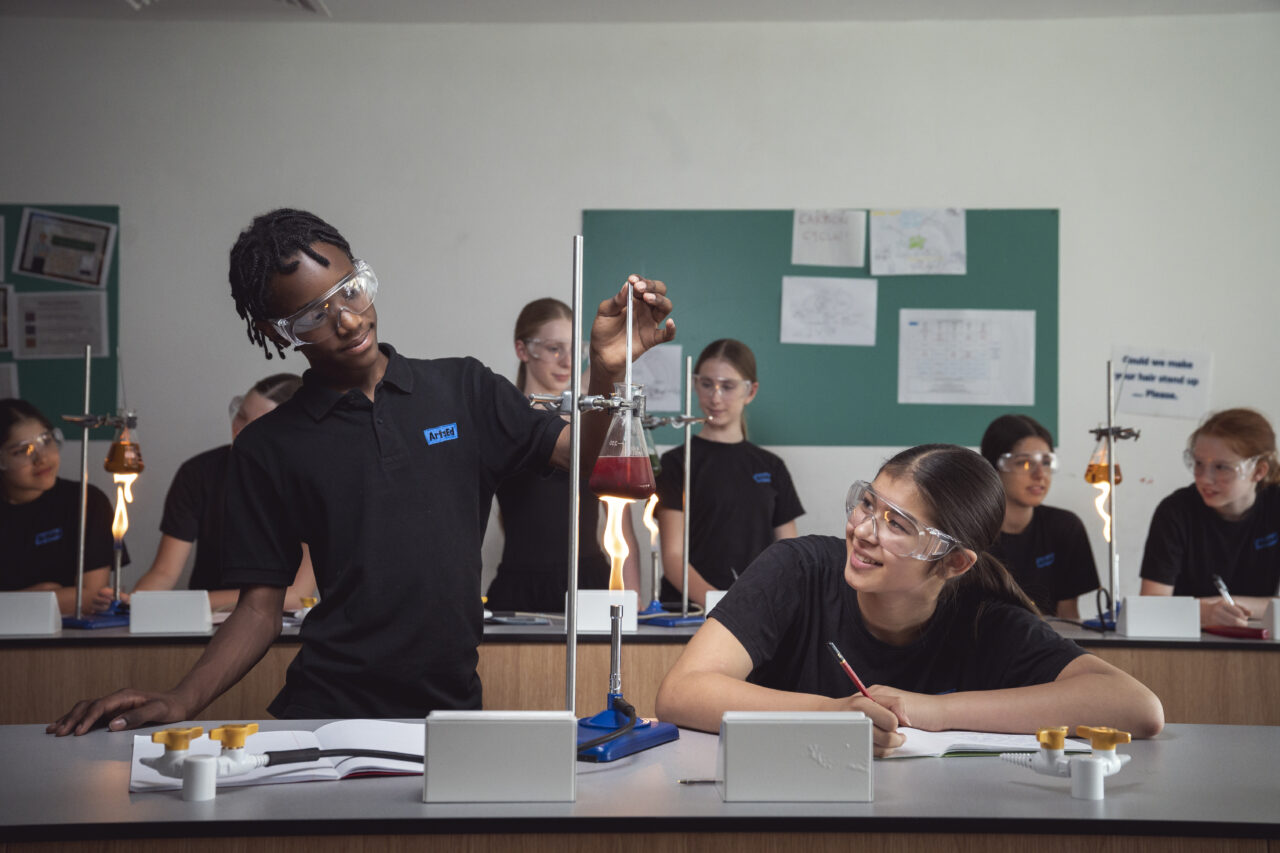
A high-quality performing arts education should never come at the expense of strong academics. The best schools understand that pupils need both: rigorous academic teaching alongside professional-level arts training.
Ask how the school structures the day. Is there an equal focus on classroom learning and studio time? Are academic results strong and consistent? A balanced timetable helps pupils remain intellectually curious while fully committing to their creative development.
Ultimately, this dual focus keeps future pathways open, whether your child goes on to conservatoire training, university, drama school or into a completely different career altogether.
Few schools demonstrate this balance more clearly than Arts Educational Schools (or ArtsEd), London, where academic excellence sits alongside world-class performing arts training.
“The performing arts do not dilute rigour; they sharpen it. When young people are challenged both intellectually and creatively, they do not have to choose between academic success and artistic fulfilment. They can, and should, have both.” says the school.
2. Assess the quality of teaching and industry links
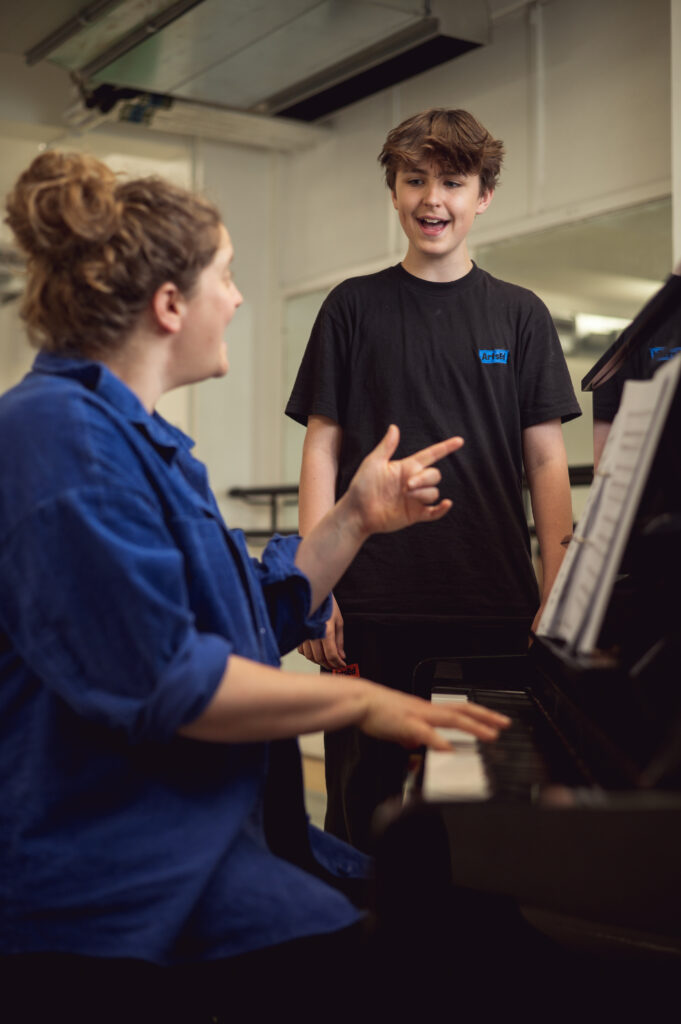
Performing arts is a practical, people-led discipline, so the quality of teaching is crucial. Look for schools with tutors who are not only experienced educators but also active or recently active professionals within the industry.
Strong industry links can provide pupils with invaluable insight into professional life, from audition technique and agent preparation to understanding the realities of a creative career. Guest workshops, masterclasses and alumni networks all add significant value.
Don’t be afraid to ask where graduates go next. Successful schools will be proud to share their leavers’ destinations.
3. Prioritise pastoral care and emotional wellbeing
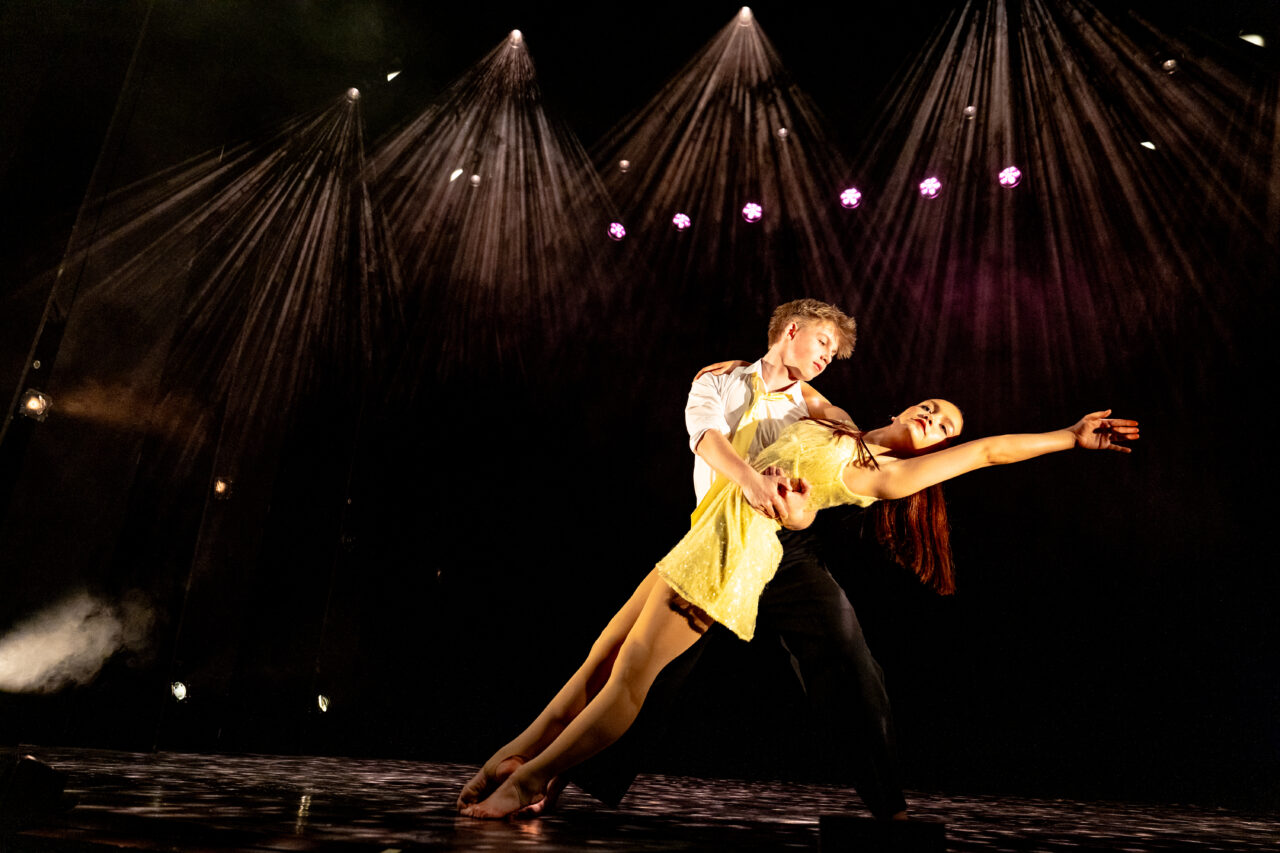
Performing arts training can be exhilarating, but it can also be demanding. Regular auditions, performance pressure and physical training mean pupils need excellent pastoral support.
Look for schools that place wellbeing at the heart of their ethos. Smaller class sizes, dedicated pastoral teams and a culture of kindness and encouragement are essential, particularly during adolescence.
A nurturing environment helps pupils develop confidence and resilience, rather than perfectionism or burnout, something that parents should weigh just as heavily as exam or performance outcomes.
“Happy pupils are the most successful, and creating an environment where pupils feel safe and supported is key. Each child is on their own individual journey, through which they will start to discover who they are, what they stand for, and what they want from their future. This includes recognizing the wide range of talent and, for example, appreciating the creativity that accompanies neurodiversity. School should be a place where individuality is celebrated and children can feel free to be their natural selves.” says ArtsEd.
4. Consider facilities and performance opportunities
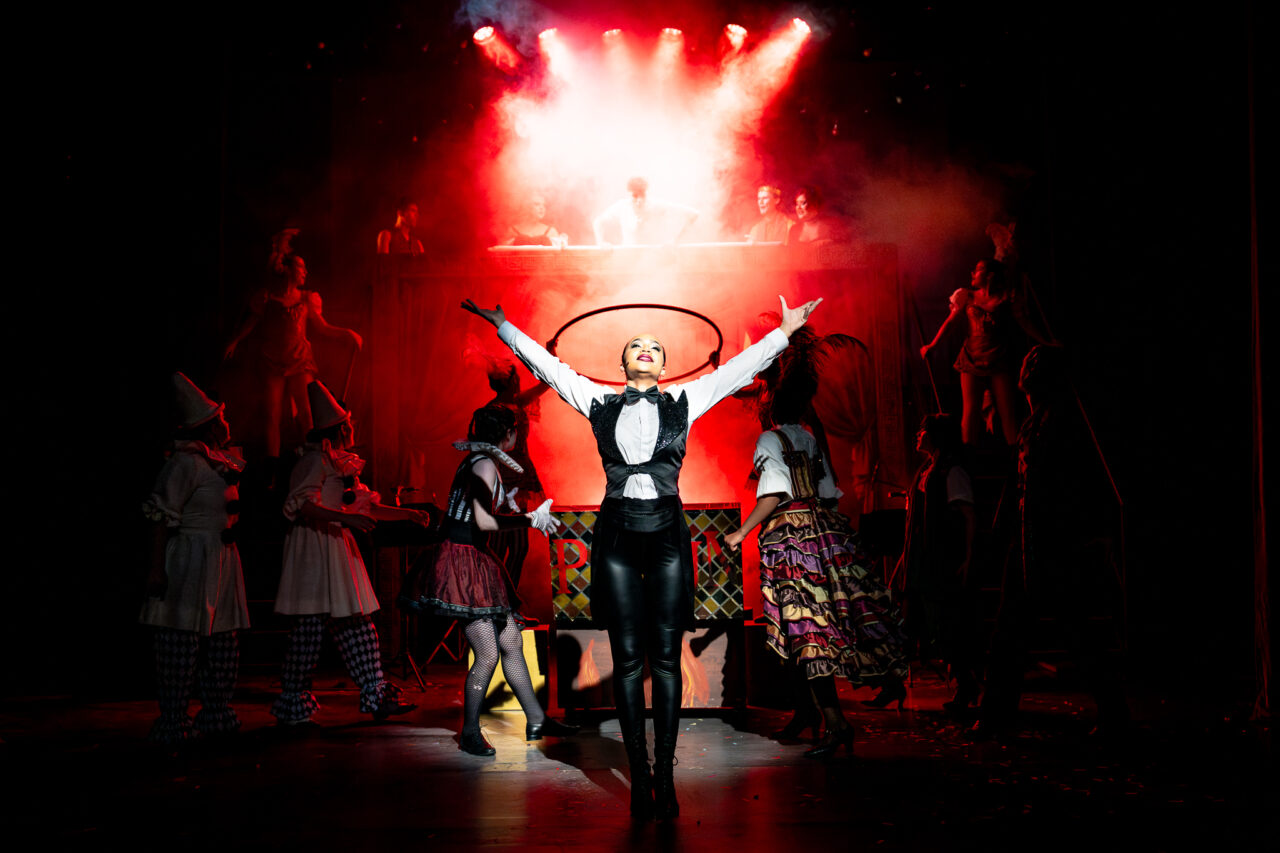
High-quality facilities matter in a practical subject. Purpose-built studios, theatres, rehearsal spaces and technical equipment all enhance a pupil’s training experience.
Equally important are opportunities to perform. Ask how often pupils take part in productions, showcases or public performances, and whether these are internally or externally assessed. Regular performance experience helps pupils build confidence, stagecraft and professionalism from an early age.
“Creating a piece of performance art requires research, exploration, planning, experimentation, development, refinement, adaptation and then rehearsal to bring about improvement – all before the work is seen by outside eyes. This level of attention to detail, self-reflection, discipline and determination should beintrinsic within the school’s culture. Performance opportunities enhance pupils’teamwork and leadership skills; these promote a sense of community through a shared spirit and encourage pupils’ motivation to learn.” says ArtsEd.
5. Auditions
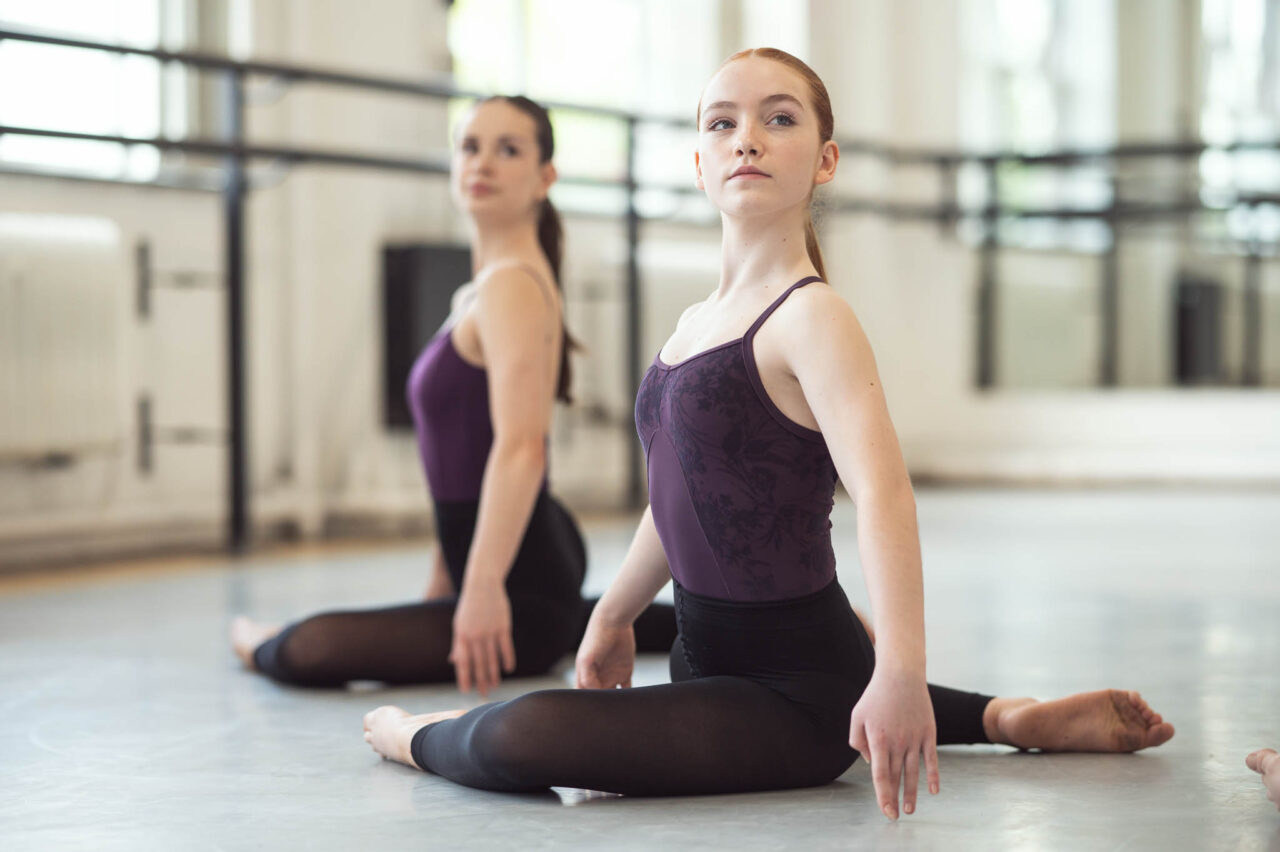
Applicants to performing arts schools will almost certainly be expected to audition for a place. Most schools will be looking for a combination of performance skill, potential and passion.
The nature of this audition will be specific to the school and is likely to include a range of performance skills. Ask the school, what the requirements are, and when the auditions will take place. Schools that have a balanced curriculum between the academic and performing arts are also likely to ask your child to sit some tests to check their ability to access the whole curriculum.
“Some schools will provide younger applicants with an audition taster day; these will help your child to get a really good feel for the school and the environment that they might join. These will often include group activities, ice-breakers and a chance to meet other pupils.” says ArtsEd.
6. Professional work and representation
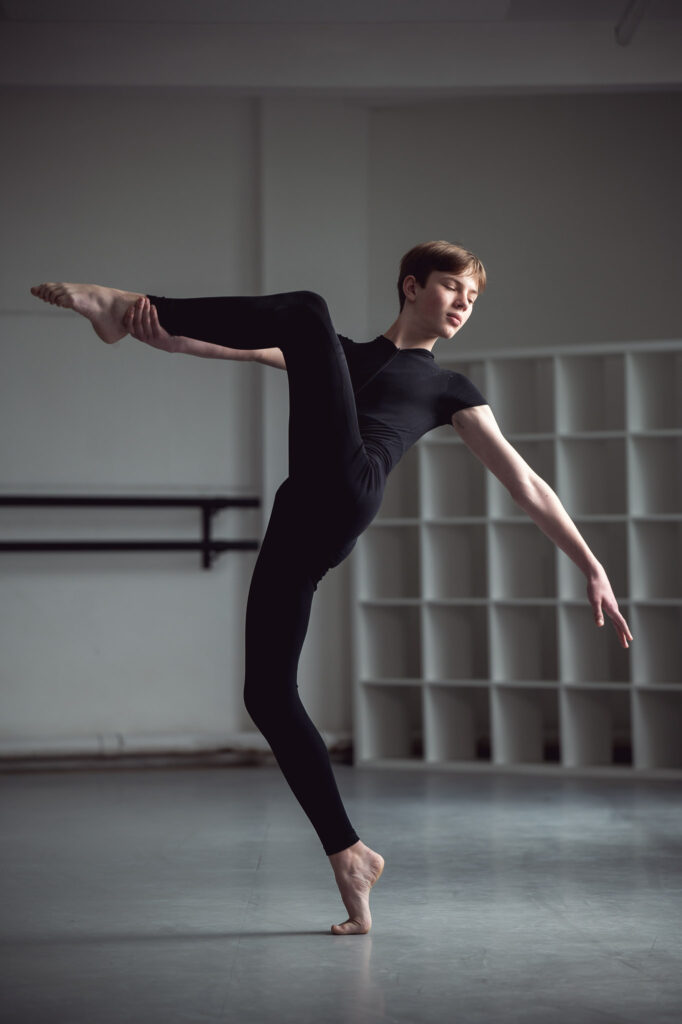
Children inevitably approach secondary school age with a wide range of experience in the performing arts; some may even have completed professional work. If professional opportunities are important to your child, ask prospective schools about their stance on pupils undertaking professional work during term time, and how they help students to balance any professional work with academic and vocational commitments. While some schools may seek professional work for their pupils through their own on-site agency, this is not widespread and not appropriate for every child.
Understanding the level of guidance and flexibility a school provides can help you choose an environment that supports your child’s academic and vocational training and their professional ambitions. Some schools have a dedicated industry liaison who will work with your child, with you as parents, the school and the agency to ensure that all aspects of your child’s education and professional development remain balanced and in the best long-term interests of your child.
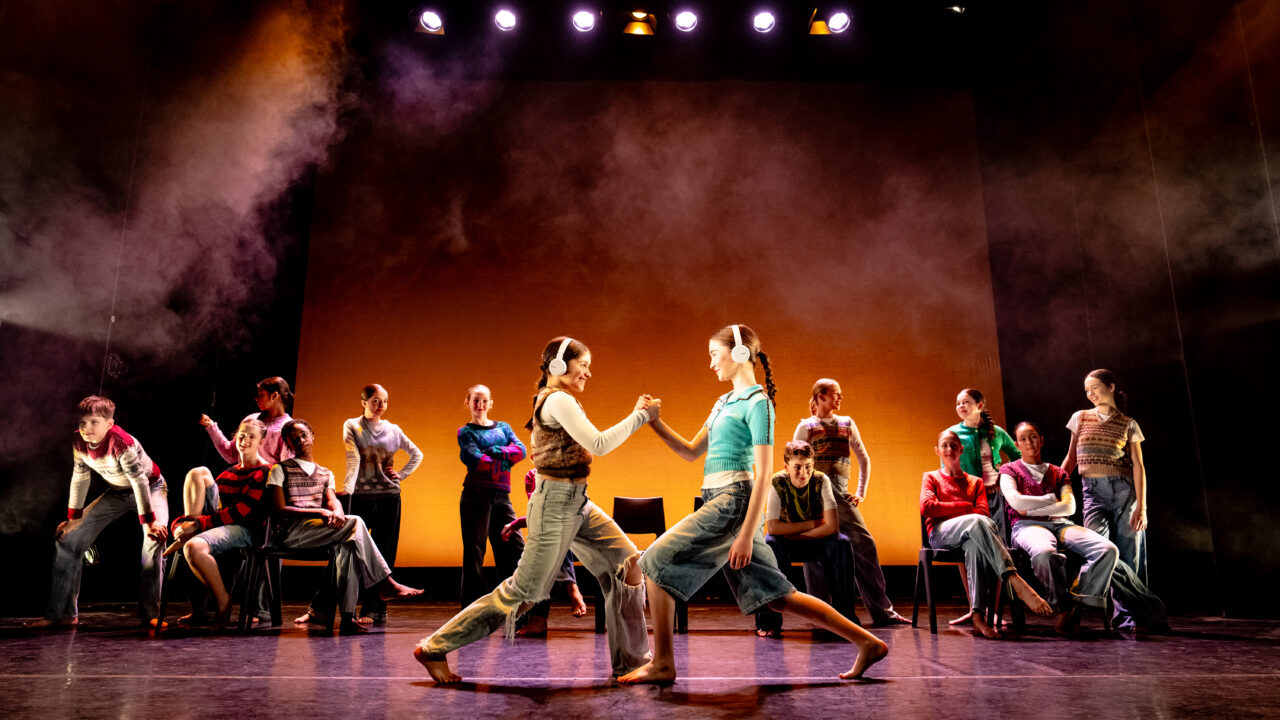
7. Make sure the school fits your child, not just their talent
Finally, remember that every child is different. A school that suits one young performer may not suit another.
Visit open days, observe lessons and performances where possible, and trust your instincts. Does your child feel inspired and supported? Do they seem excited rather than overwhelmed? The right performing arts school should feel like a place where your child can thrive both creatively and personally.
Helpful tips for parents choosing a performing arts school
- Attend open days and taster sessions: Seeing teaching in action gives a far better sense of the school’s ethos than a prospectus alone.
- Ask about workload and balance: Make sure your child will have time to rest, socialise and enjoy being young.
- Understand progression routes: Find out how the school supports auditions, exams and next-step applications.
- Check pastoral structures: Ask who your child would turn to if they’re struggling, academically or emotionally.
- Listen to your child’s voice: Their happiness, confidence and enthusiasm are key indicators of whether a school is the right fit.
Choosing a performing arts school is about far more than talent alone. With the right balance of academic excellence, creative training and pastoral care, the experience can equip pupils with skills such as confidence, collaboration, communication and resilience that last a lifetime.
This is a sponsored post created in collaboration with ArtsEd, a drama school, and an independent performing arts secondary school in Chiswick, West London.
Read more school news here.
You may also like...