John Doy, Deputy Head Academic of Mayfield School, stands up for the importance of arts subjects in helping young people find their talents and determine their future direction

The decline in arts subjects in UK schools is almost taken for granted these days. At GCSE, arts entries have declined 47% since 2010, with A levels faring marginally better at a still depressing 29% decline, according to Campaign for the Arts (2023 data). For some this has been a necessary correction towards more ‘useful’ and ‘productive’ ‘academic’ and STEM subjects, for others, a sad slide towards a bleak, Gradgrindian fact-based education system that has ceased to value creativity and artistry.

In this context independent schools are frequently seen as the last bastions of hope (or bulwarks of unfair privilege, depending on your point of view) for the arts in secondary education. Amid the rancour and class warfare, however, it is worth wondering what all the fuss is about – why do many independent schools, even with current more straitened financial circumstances, still insist on providing a broad-based education that values and cherishes the creative arts? The answer is quite simple: the first essential step in unlocking a student’s full potential is to give them the opportunity to discover where their talents lie. It is infinitely harder for a child to do this if their daily curriculum is narrowly focused on traditional academic subjects.

“The first essential step in unlocking a student’s full potential is to give them the opportunity to discover where their talents lie”

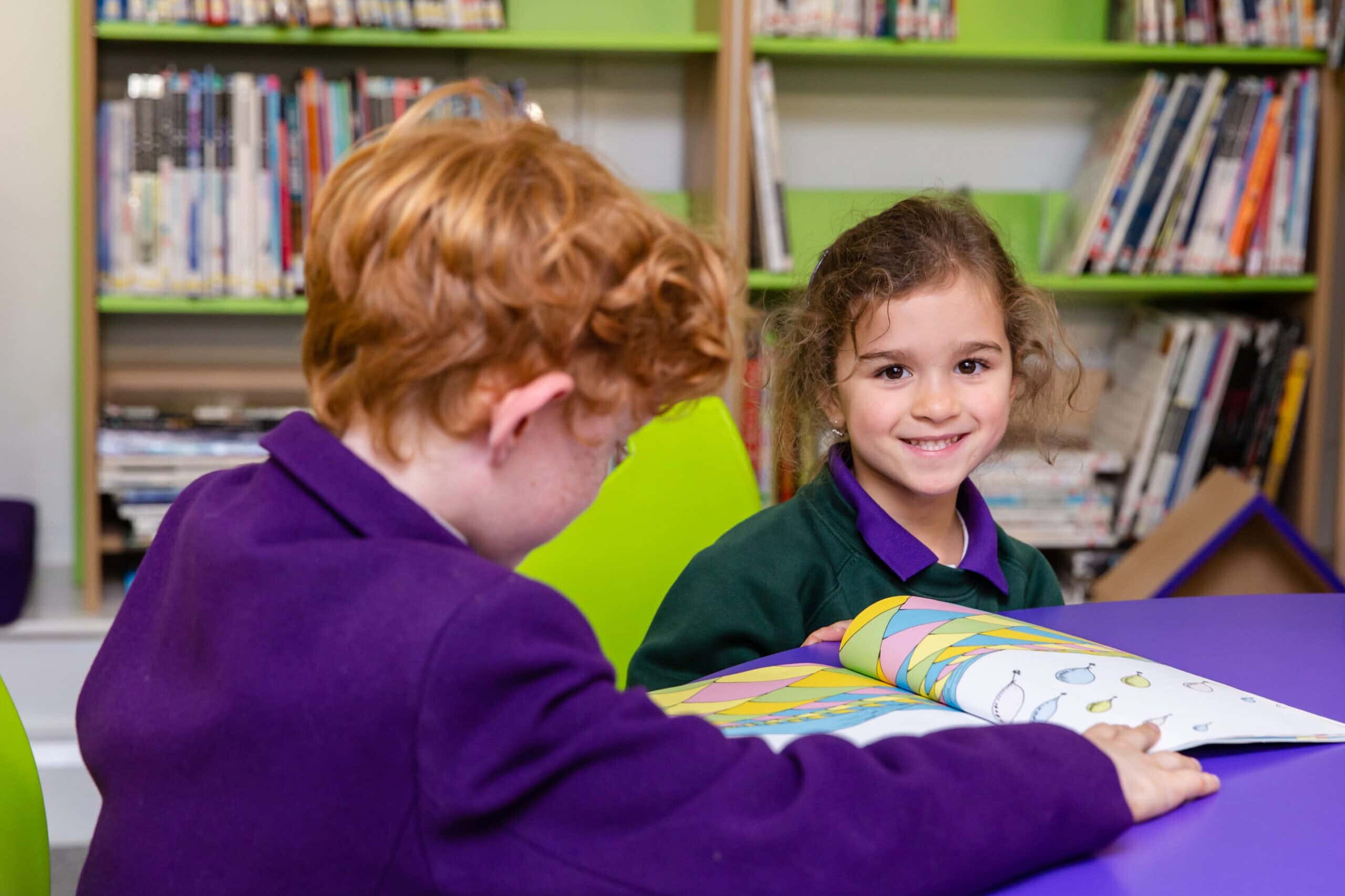
At Mayfield, we don’t just pay lip service to a broad curriculum, we ensure students experience it firsthand. In Years 7 and 8, weekly lessons in Food and Nutrition, Art, Textiles, Ceramics, Music and Drama sit alongside English, Maths, Science, History, Geography, RS, Languages, PE and Computing. How are we supposed to find out if they’re any good at these things if we don’t give them time to try them? It’s only by giving young people the space to develop and learn skills that we give them the chance to develop to their full potential. At the other end of the school, the work our students produce for their A levels in the creative arts is of exceptionally high quality and sees them going off to some of the best art colleges in the country.

If a child-focused argument doesn’t win the day, then how about economic home truths? Our creative industries generate £108 billion. They employ over two million people. In an epoch obsessed with growth, they have grown at one and a half times the rate of other sectors, and this despite the declining take-up, as reported by Campaign for the Arts. If time spent at school on the arts isn’t productive then I’m not sure what is.

Even if students aren’t bound on a future in theatres, art galleries or on film sets, then surely the transferable skills of teamwork, creativity, flexibility and self-confidence that the creative arts nurture so beautifully must be deemed worth investing in – especially in an unpredictable job market that is evolving with ever-increasing speed.

The benefits of a broad-based curriculum rich in these subjects are palpable on a micro and macro scale, whether you’re a dyed-in-the-wool Romantic or a hard-headed Gradgrind. Imagine what we could achieve if we had an education system that truly valued this approach and offered it to everyone?

Mayfield School mayfieldgirls.org

Further reading: Latymer Upper School on why boys are losing the plot with English literature

You may also like...