There is growing recognition that education should prepare pupils for life, not just for exams. For girls in particular, this means developing the confidence to speak up, the ability to work collaboratively, and the resilience to adapt in unfamiliar situations. These qualities are increasingly valued by employers, yet they are not always easily cultivated within traditional classroom settings.
Research shows that employers increasingly prioritise analytical thinking, resilience, adaptability, creativity and leadership as core workforce skills. In response, the most forward-thinking schools are placing greater emphasis on hands-on, experiential learning that allows pupils to develop these skills in meaningful, real-world contexts (World Economic Forum, 2025).
At leading schools, experiential learning is deliberately designed to combine hands-on activity, reflection, and collaboration. This approach helps girls develop confidence, sharpen critical thinking, and gain a deeper sense of how their learning applies beyond the classroom.
Read on to find out why you should choose a school that prioritises hands-on learning for your daughter.
Learning that develops confidence and judgement
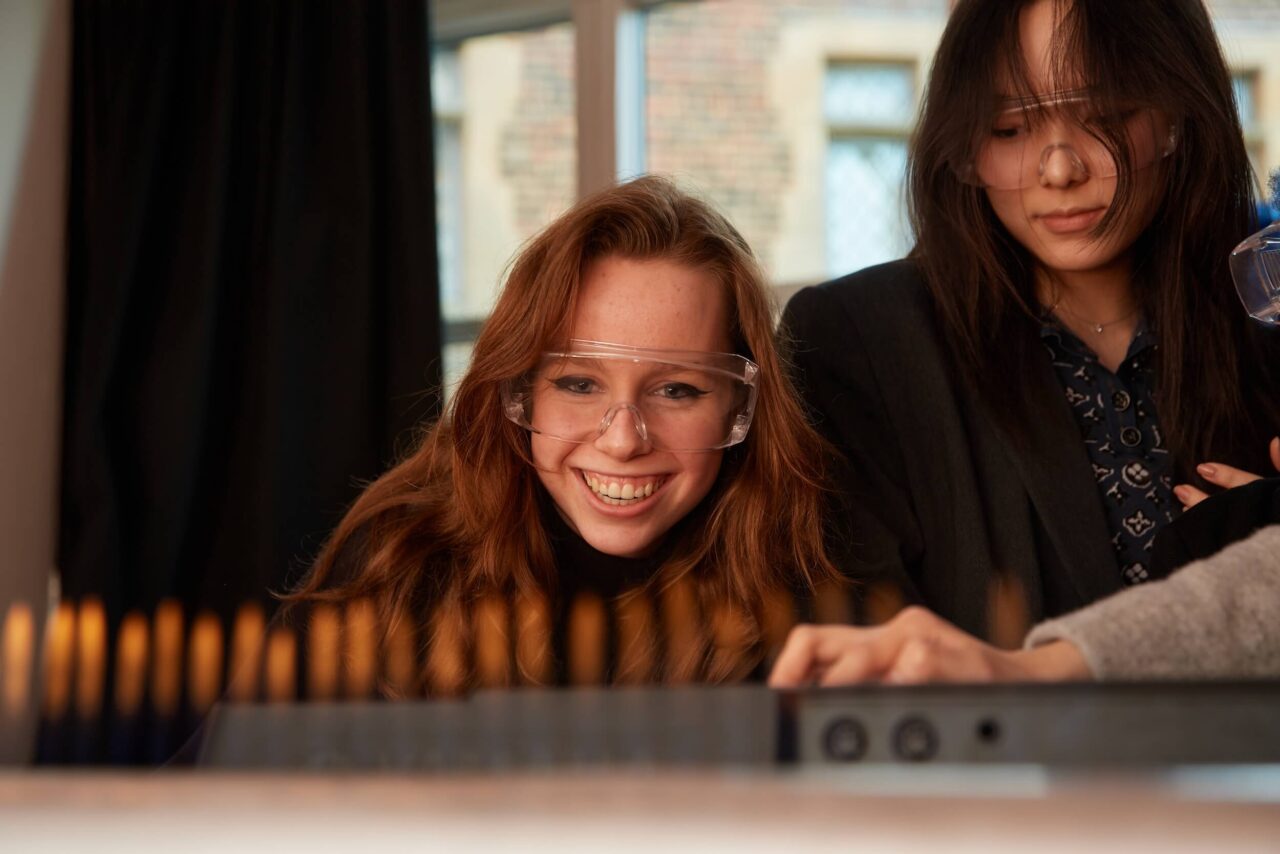
Practical learning encourages girls to move from theory to action and, in doing so, to trust their own judgement. Life skills programmes offer structured opportunities to develop independence in areas such as decision-making, financial awareness, digital responsibility, and personal wellbeing. These are not optional extras, but essential foundations for adult life.
When thoughtfully designed, these programmes stretch pupils beyond their comfort zones within a culture of encouragement and reflection. Girls are taught that mistakes are not failures to be avoided, but essential steps in the learning process. By analysing what went wrong and trying again, pupils build judgement, resilience and the confidence to persevere when outcomes are uncertain.
Educational research has repeatedly shown that active, reflective learning improves pupils’ retention of knowledge, strengthens problem-solving skills, and builds self-belief, all of which are closely linked to long-term success (Education Endowment Foundation).
Cross-curricular projects further strengthen these skills. By combining subjects such as science, philosophy and ethics, geography, and communication within a single project, pupils collaborate, negotiate roles, manage time, and adapt when unexpected challenges arise. These experiences closely mirror the realities of modern workplaces, where teamwork and flexibility are essential (World Economic Forum, 2023).
Mayfield is an independent Catholic day and boarding school for girls aged 11 to 18, set in the heart of East Sussex. Here, education goes beyond exams, focusing on developing confidence, resilience, and the practical skills girls need to navigate life with assurance.
“At Mayfield, we want girls to understand that making mistakes is a normal and healthy part of life. Through challenge, reflection, and trying again, they become fearless in decision-making and grow in confidence.” says Headmistress Deborah Bligh.
Collaboration, leadership and critical thinking in action
Hands-on learning is particularly powerful when it is collaborative. Group projects, debates, and enquiry-based tasks encourage girls to listen carefully, challenge ideas respectfully, and contribute with confidence. OECD research shows that pupils who regularly engage in collaborative problem-solving demonstrate stronger communication skills and greater confidence when applying knowledge in unfamiliar situations (OECD).
In an all-girls environment, these opportunities can be especially impactful. Without the social pressures that can sometimes inhibit participation, girls are more likely to take intellectual risks, lead discussions and articulate their views. Over time, this helps to build assured communicators who are comfortable expressing ideas with clarity and conviction.
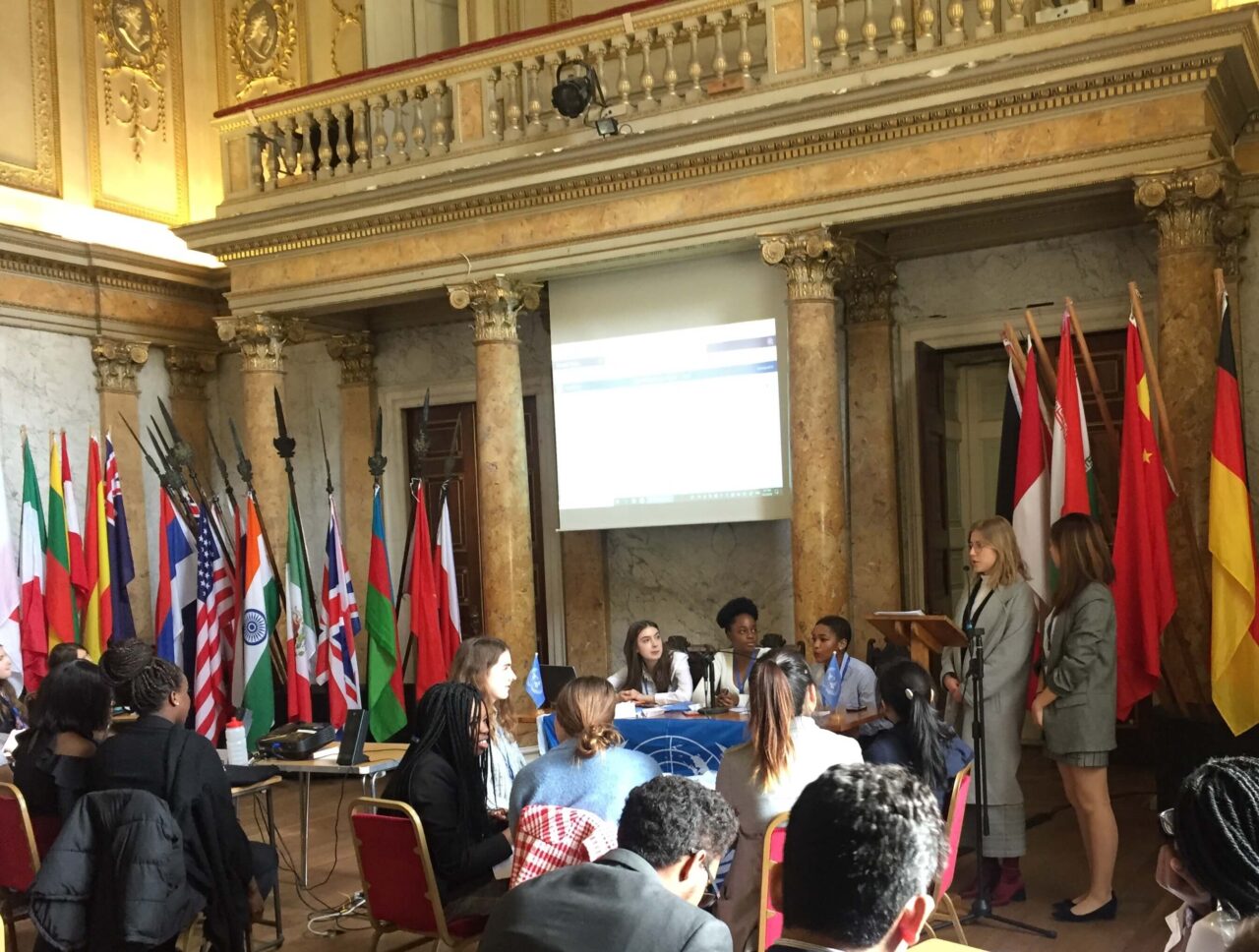
Debating and public speaking are central to this process. Pupils learn to analyse information critically, consider multiple viewpoints, and respond thoughtfully under pressure. Just as importantly, they learn that their voice matters (Harvard Professional Development).
“We see time and again how powerful it is when girls are given the confidence and the space to lead discussions, challenge ideas and express themselves with conviction,” says Headmistress Deborah Bligh. “For example, girls who have taken part in Model United Nations often return with renewed confidence after leading delegations on issues such as climate change. These experiences help them develop skills for life and will stand them in good stead whatever career path they choose.” says Bligh.

Creativity with purpose
Creative subjects provide lots of opportunity for hands-on learning, but their value extends far beyond artistic expression. Subjects such as Art, Ceramics, Textiles, and Food and Nutrition demand planning, precision, experimentation, innovation, and reflection. Pupils test ideas, respond to feedback, and refine their work, developing resilience and adaptability along the way.
Performing arts is also the perfect opportunity for hands-on learning. School productions require teamwork, time management, and accountability, whether pupils are performing on stage or contributing behind the scenes through lighting, costume, or technical roles.
These experiences help girls expand their skillset, particularly their creativity, adaptability, and resilience, while learning how to collaborate effectively with others.
Stretch, enrichment, and ambition
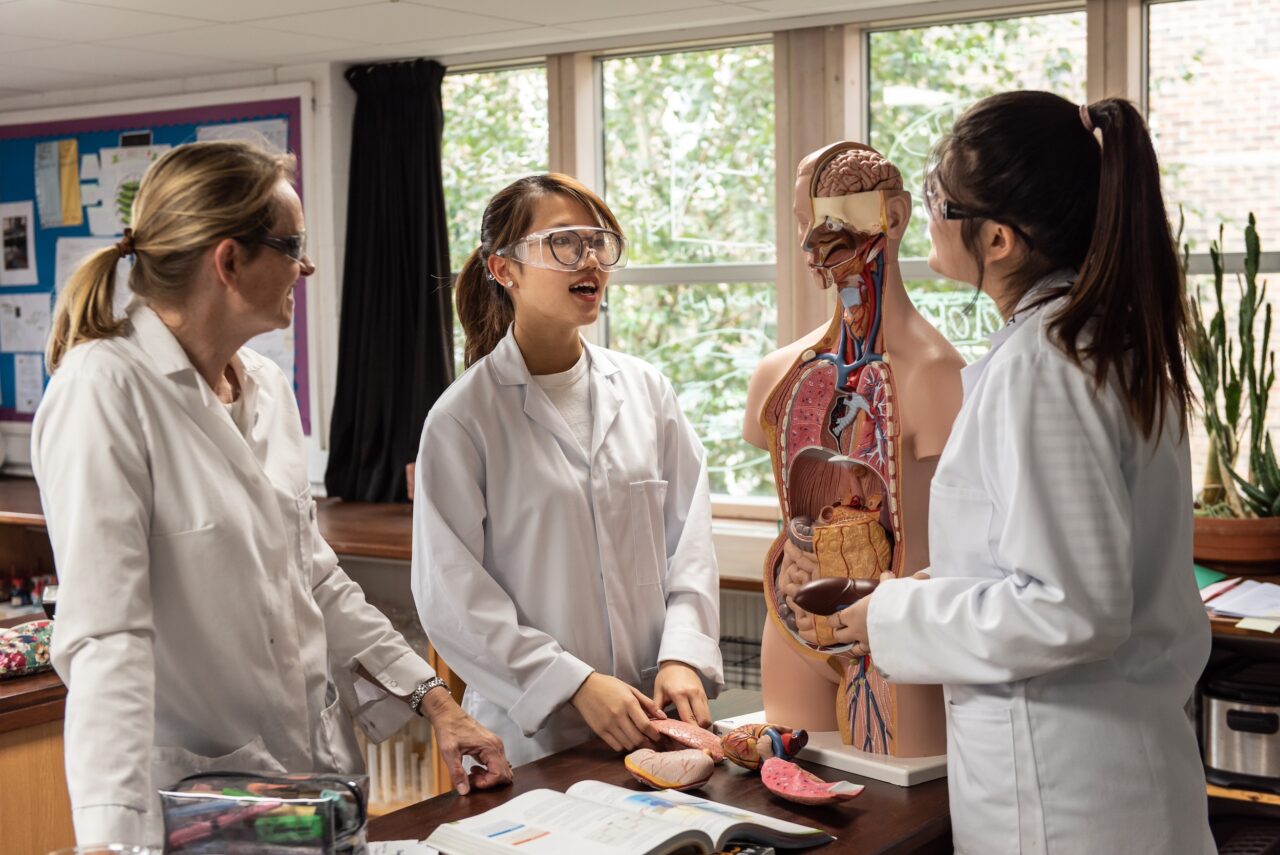
Enrichment activities give girls further opportunities to apply their skills in new and challenging contexts. Academic competitions, STEM challenges, innovation projects, specialist clubs, and entrepreneurial opportunities encourage pupils to stretch themselves, set goals, and manage both successes and setbacks.
What matters most is the learning process rather than the outcome alone. Independent research, teamwork under pressure and opportunities for reflection help pupils develop ambition grounded in resilience. Research into effective learning environments consistently shows that confidence is built through effort, curiosity and persistence, particularly when pupils are encouraged to take risks and learn from setbacks.
Deborah Bligh says: “We want our girls to aim high, but also to understand that progress is rarely linear. Learning to cope with uncertainty, to reflect and to adapt is just as important as achieving the final result.”
Supporting hands-on learning beyond school
Parents can reinforce these skills at home in simple, meaningful ways:
- Encourage discussion around real-world issues and current affairs
- Involve children in planning, organising, or budgeting family activities
- Support independent projects that require research, creativity, and follow-through
- Give children as many opportunities as possible to lead and be part of a team
- Value effort, reflection, and problem-solving rather than perfection
These everyday experiences complement school learning and help girls see themselves as capable, thoughtful individuals.
Educating girls for an evolving world
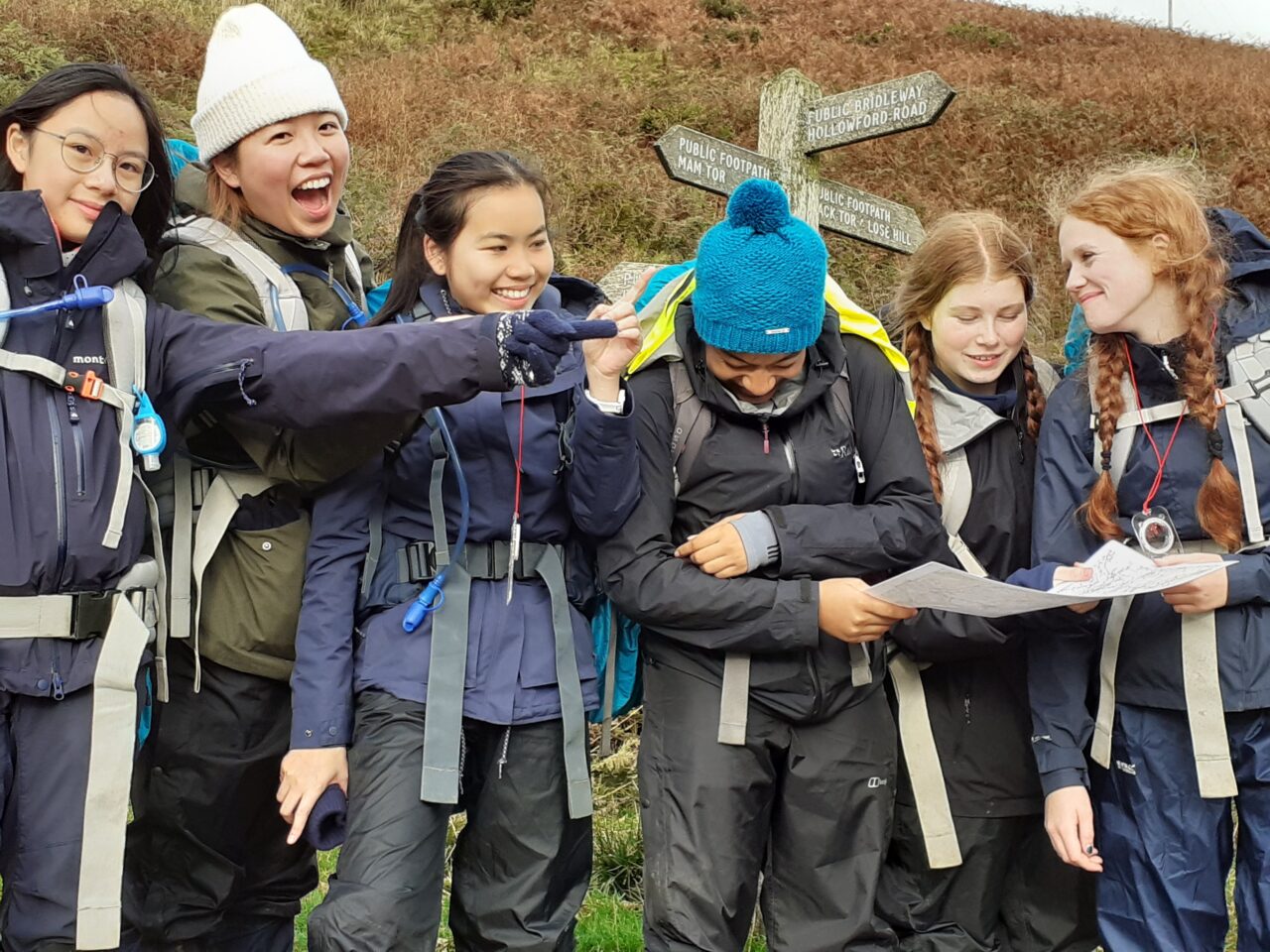
Hands-on learning should be purposeful, challenging, and empowering for girls. By prioritising experiences that develop confidence, collaboration, and critical thinking, schools prepare girls not just for exams but for life beyond the classroom.
As research from the World Economic Forum and Harvard shows, skills such as creativity, adaptability, and collaboration are increasingly critical in a rapidly changing world. Schools that nurture these abilities give girls the tools to adapt, lead, and thrive in life beyond school.
This is a sponsored post created in collaboration with Mayfield School, Catholic independent boarding and day school for girls aged 11 to 18, set in the Sussex countryside.
Read more school news here.
You may also like...