Matt Farrah, SENCo of Burlington House School in Tooting on how it uses the outdoor environment for learning and wellbeing
Tucked beside the vast green stretch of Tooting Common, Burlington House School’s South London campus is anything but typical. City schools often conjure up images of towering buildings, long corridors, and relentless noise, whereas Burlington House offers an unexpected breath of fresh air – literally.
The campus is housed in a former 1920s family home. Its design and ethos intentionally retain that sense of warmth and familiarity. But what truly sets it apart is how the school embraces the outdoors, not just as a backdrop but as an active, integral part of how students learn and grow. For pupils with specific learning differences, including dyslexia, dyspraxia and ADHD, the benefits of being outdoors are transformational.
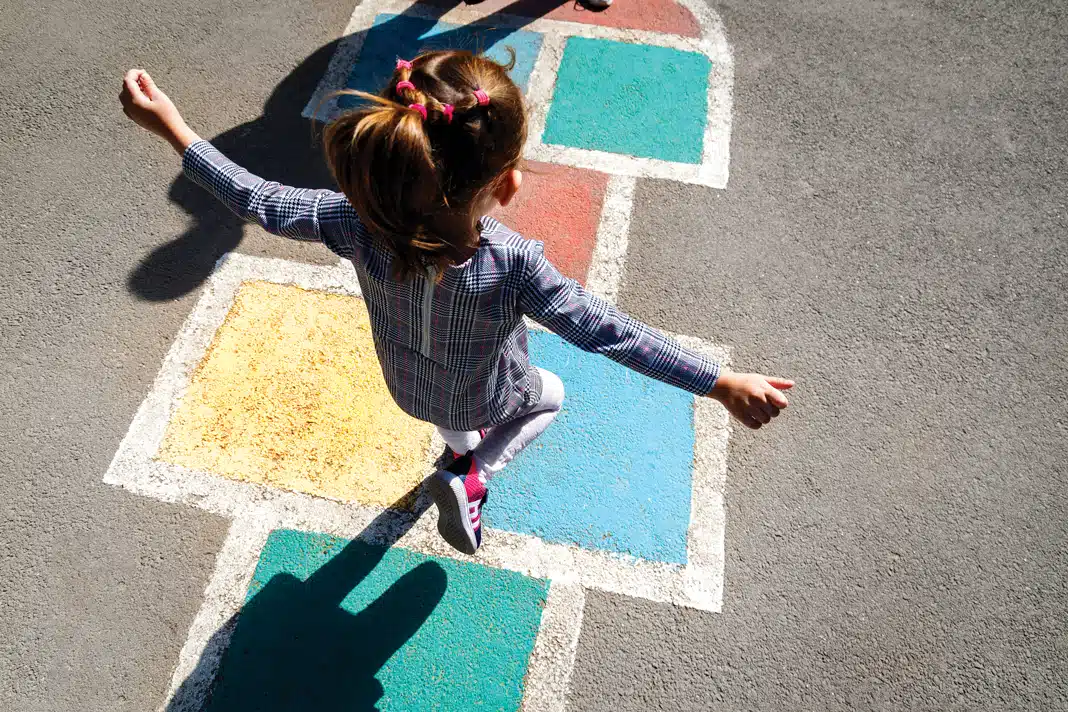
The Burlington House curriculum is designed to meet the needs of students who think and learn differently. Lessons are carefully structured into manageable segments, with regular opportunities to reset. Whether it’s a brisk walk to the school garden, a few star jumps in the playground or deep breathing under the trees of the Common, these short outdoor bursts help pupils regulate focus, reduce cognitive overload, and return to the classroom ready to engage.

Outdoor learning isn’t an afterthought – it’s a strategy. Movement, sensory stimulation and natural light are used intentionally to support both academic outcomes and emotional regulation. This is education rooted in understanding.
One of the most beloved features of the weekly timetable is the mindful walk. These slow, reflective journeys through Tooting Common are more than just gentle exercise, they are carefully curated moments of observation and connection. Students notice how the seasons change – the colour of the leaves, the shape of a frost-covered branch, the scent of blossom on the breeze. Sometimes, the walk is paired with poetry and at other times, with simple breathing exercises.
The result is a sense of calm, presence and groundedness, crucial ingredients for learning and wellbeing. These experiences also offer a rare chance to step away from expectations and routines, helping students build confidence, character and a deeper connection to themselves and the world around them.
“Movement, sensory stimulation and natural light support academic outcomes and emotional regulation”
This quieter, more natural approach extends across the whole school culture. Where mainstream environments may be overwhelming – fluorescent lights, ringing bells, and constant noise – ours provides sensory-friendly spaces, both indoors and out.
Students are also invited to shape their environment. The Student Council explores ideas such as building a vegetable patch, a greenhouse, a scented garden and even a bug hotel. It’s hands-on, creative and gives pupils a say in how their learning landscape evolves.
Embracing the outdoors means Burlington House works to create more than just a beautiful learning environment – it is nurturing future-ready learners. Students here are empowered to become confident in themselves, competent in their knowledge, creative in their thinking and strong in character. When education is designed differently, young people don’t just succeed in learning, they thrive.
Burlington House School Tooting burlingtonhouseschool.com
Further reading: Could art reduce school exclusions?
You may also like...