
University options beyond the ‘Big Four’ prestige locations are coming into play, says Jessica Harris, Head of Quintessentially Education
The UK, US, Canada, and Australia have dominated the global education market for decades. This ‘Big Four’ offered both world-renowned institutions and the promise of long-term opportunity for aspirational students. But an unmistakable shift is taking place in international education, opening up competition for global talent like never before.
As a dual UK and US agency, we are supporting increasing numbers of students looking to a broader range of programmes across new regions. While demand for the UK and US remains high, there has been a significant increase in families casting the net wider.
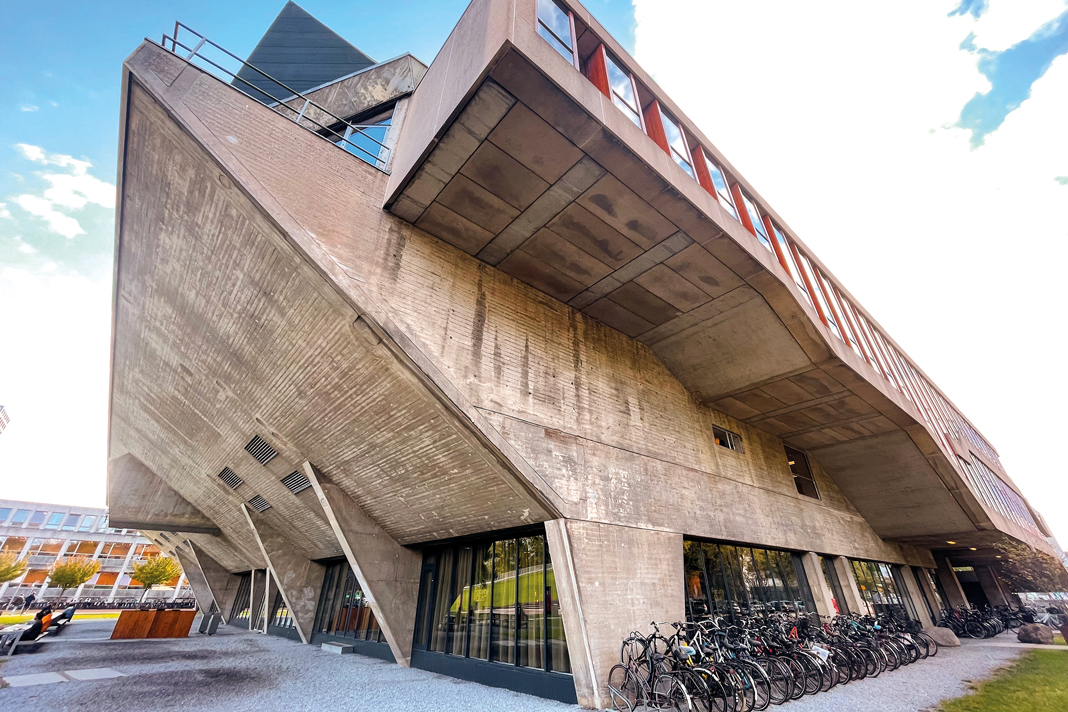
Why the rise of alternatives?
A host of reasons, including migratory pressures, rising tuition fees, demographic shifts, political and regulatory changes, and credibility of post-study pathways, have led ambitious students to question previous assumptions and consider alternative places to study.
Policy and visa shifts can disrupt the best laid plans. Recent changes to student visa processing times and post-study work rules in some countries have created uncertainty. For example, in Australia, visa fees jumped to AUD $1,600 last year, with a further proposed rise for this year. Other policy changes have meant post-study work is now capped at two years. In the US, meanwhile, heightened scrutiny on visa applications, evolving documentation requirements, and shifting timelines for F-1 processing have made it increasingly important for students to prepare early and remain adaptable.
Rising costs across the ‘Big Four’ means students and their families are recognising potentially better value elsewhere. Tuition fees in these four countries can exceed £50,000 per year before living expenses. In countries such as Germany, Austria or the Netherlands, tuition is minimal by comparison, even for international students. In Germany, for example, most public universities charge no tuition fees or request very modest semester contributions of around €250–€350 for undergraduate study. There are exceptions such as Baden-Württemberg, where non-EU students pay about €1,500 per semester, but that’s still a fraction of UK or US tuition fees.
“Learning in multilingual Brussels or building professional connections in Dubai – such experiences differentiate graduates in a competitive job market”
Growing global prestige is another factor influencing students’ desire to consider a broader set of university locations. While the UK and the US continue to dominate the top of the QS World University Rankings, an increasing number of European and Asian institutes such as ETH Zurich and the National University of Singapore (placed seventh and eighth in QS World University Rankings 2025) are appearing. These institutions are attracting world-class faculty and securing international research partnerships as their prestige becomes more recognised.
Cultural and professional opportunities are also seen as another factor. Studying outside the Big Four can immerse students in dynamic, fast-growing regions – whether it’s joining the tech ecosystem of Singapore, learning in multilingual Brussels or building professional connections in Dubai’s thriving business scene. Such experiences can differentiate graduates in a competitive job market.
These locations may also bring flexibility for transfers and postgraduate study. Certainly, a degree from a respected university in Europe or Asia can act as a springboard to postgraduate study in the UK or US, offering an alternative route to the same long-term goals.
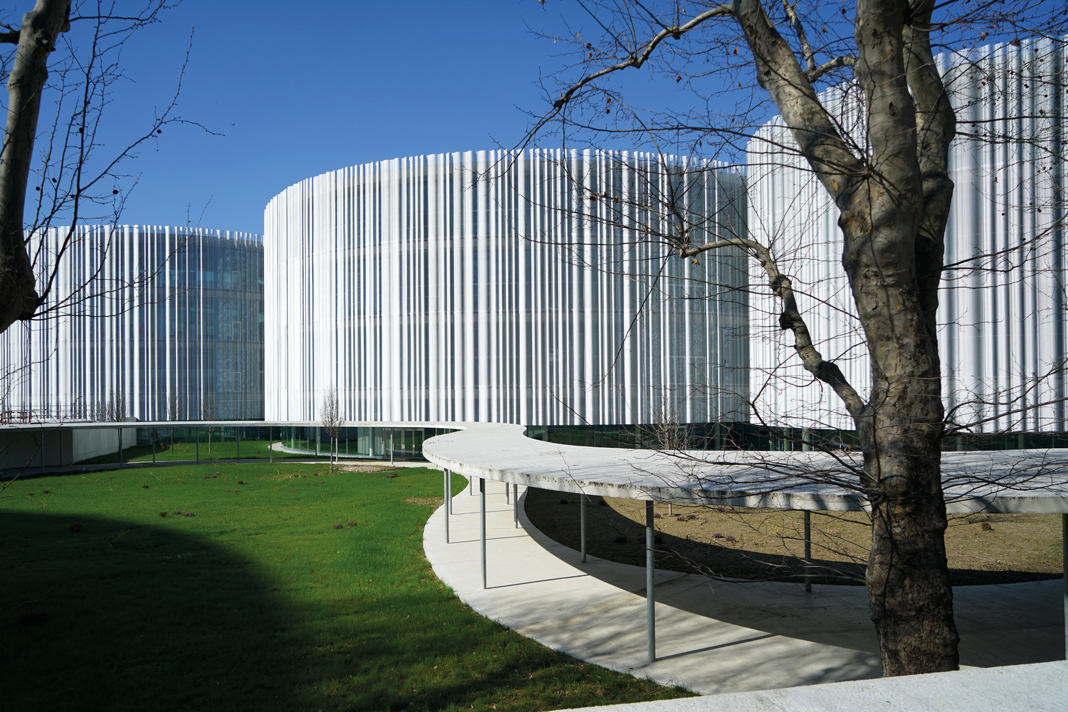
Europe – affordable excellence
From Germany’s tuition-free public universities to the Netherlands’ innovative English-taught programmes, Europe offers an exceptional return on investment. Institutions such as TU Munich, Heidelberg University, and Wageningen University are beginning to really rival their UK/US counterparts in research output and graduate employability.
And for students who coveted Harvard’s government, public policy and economics courses, Sciences Po is an excellent alternative. This prestigious French university, which has long attracted many of Europe’s political elite (President Macron included) has campuses in Paris and a number of historic French towns and teaches many undergraduate courses in English.
For those pursuing a STEM pathway, a great alternative to MIT in Boston or Imperial College in London is the Delft University of Technology in the Netherlands. Also known as TU Delft, this public university is much cheaper than MIT. The annual fees for international students are the equivalent of approximately $18,600 USD per year, compared to MIT’s $57,790 USD, and the town has much lower living costs than Boston. Bocconi University in Milan is a fantastic alternative to both the University of Pennsylvania and LSE in London – offering a similar range of economics, finance and management courses – while IE University in Madrid has similarly good courses in business, management and international relations.
And for students who want something collegiate and historic with English as the primary language, proximity to the UK, and generous post-study work visas, Ireland’s Trinity College Dublin and University College Dublin offer a seamless cultural transition with strong academic credentials.
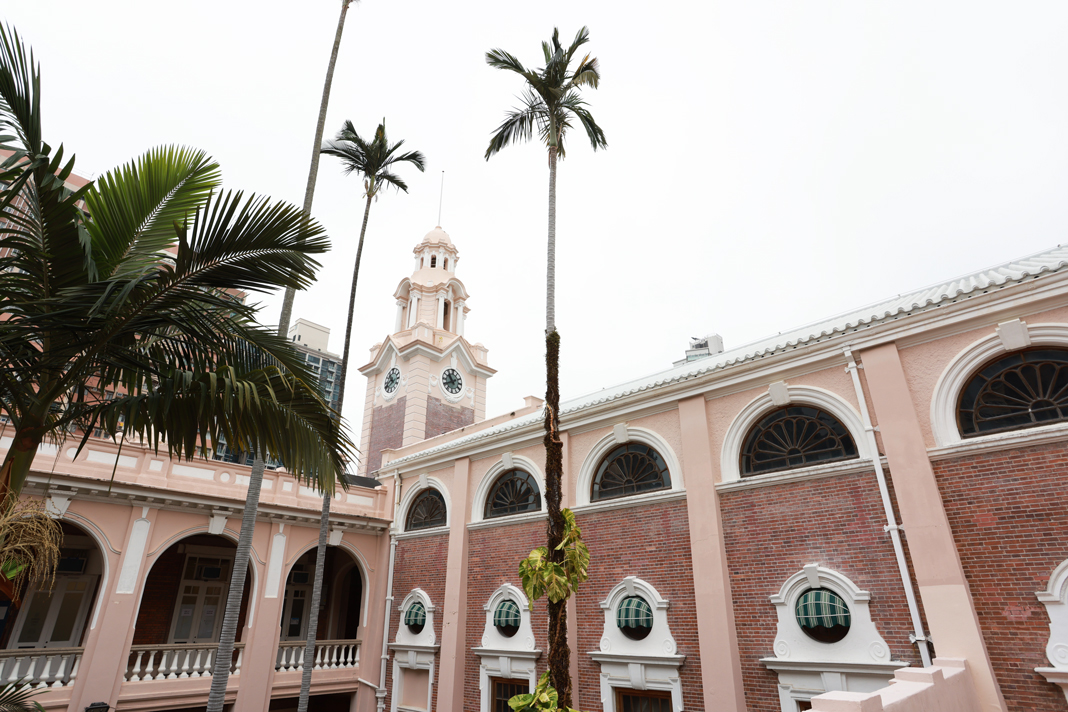
Asia – Rising markets
Regional hubs such as National University of Singapore and University of Hong Kong combine academic excellence with access to the fastest-growing markets in the world – ideal for future leaders in business, finance, and technology. Meanwhile, Dubai and Abu Dhabi now host an impressive roster of international branch campuses for leading UK, US, and Australian universities. This means globally recognised degrees in a strategically located and cosmopolitan environment.
For instance, University of Birmingham Dubai offers the same UK-accredited degrees as its home campus, and with a strong focus on business, engineering, and computer science. Heriot-Watt University Dubai is renowned for its business and engineering programmes, while in Abu Dhabi, New York University Abu Dhabi (NYUAD) stands out for its liberal arts approach and strong research profile, combining US academic traditions with an immersive global outlook.
“Rising costs in the ‘Big Four’ nations means students and their families are recognising potentially better value universities elsewhere”
For families who value the prestige of a UK or US education but seek a warmer climate, dynamic job market, and lower living costs than London or New York, these UAE campuses may be an astute choice – particularly for those students interested in internships and industry connections in the Gulf’s thriving sectors, which include technology, construction, hospitality and renewables.
Exploring beyond the Big Four is about widening possibilities. Students can get expert help in creating shortlists tailored to their academic goals, career aspirations and lifestyle preferences. At Quintessentially Education, our advice to students is to ensure they choose universities that are not just reputable but right for them. So, alongside the tangible values such as tuition costs, living expenses and graduate outcomes, think about the admissions process and the all-important lifestyle components. It can be especially helpful to talk to other students who have attended shortlisted institutions for firsthand feedback.
The good news for students is that a prestigious degree remains within reach, regardless of geopolitics. The key lies in having an informed and flexible strategy that balances ambition with pragmatism. The best higher education plans can evolve if the situation changes by keeping a range of potential options on the table.
Quintessentially Education quintessentially.com/education
Further reading: Poison ivy? Crimson Education on the state of play with US universities
You may also like...